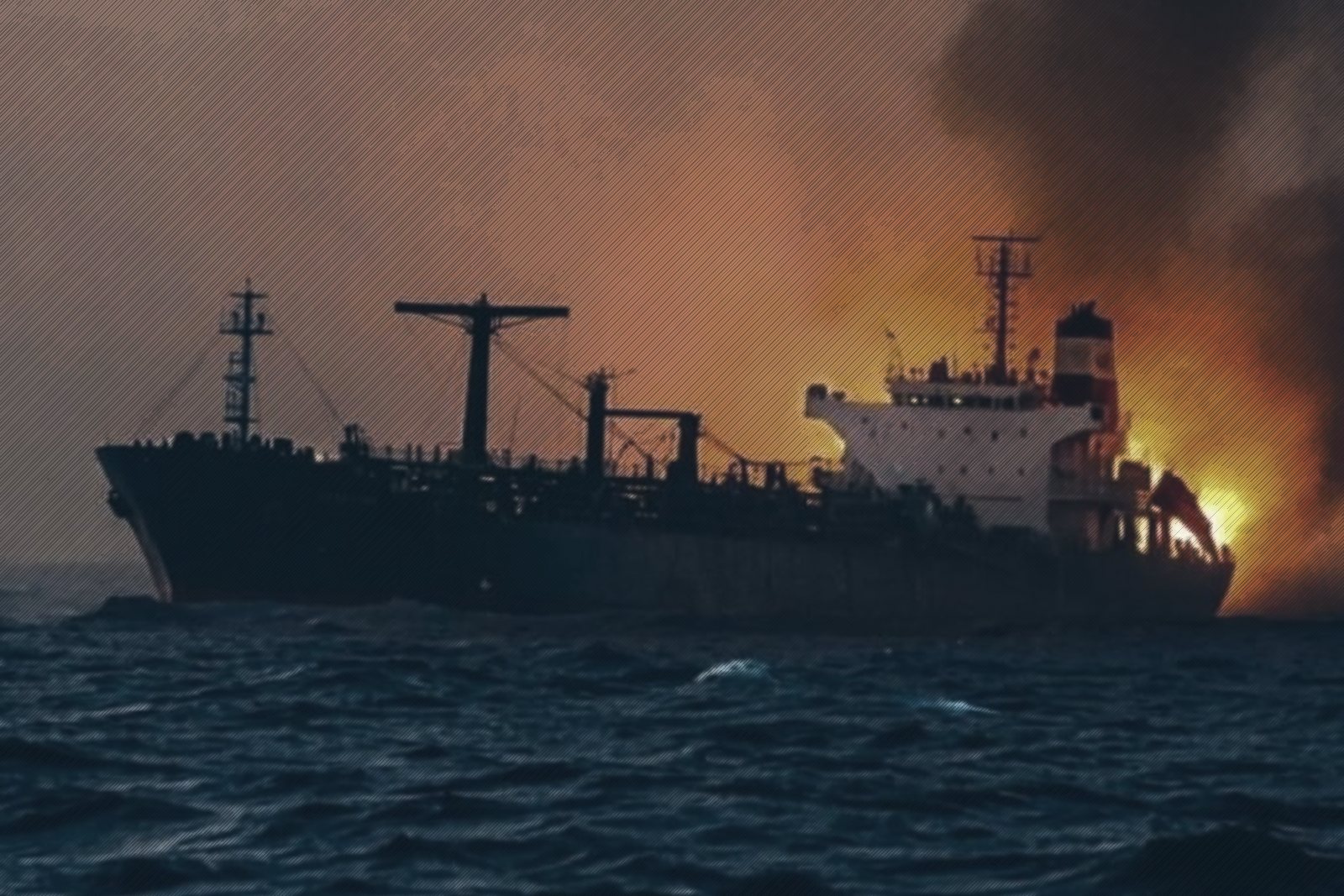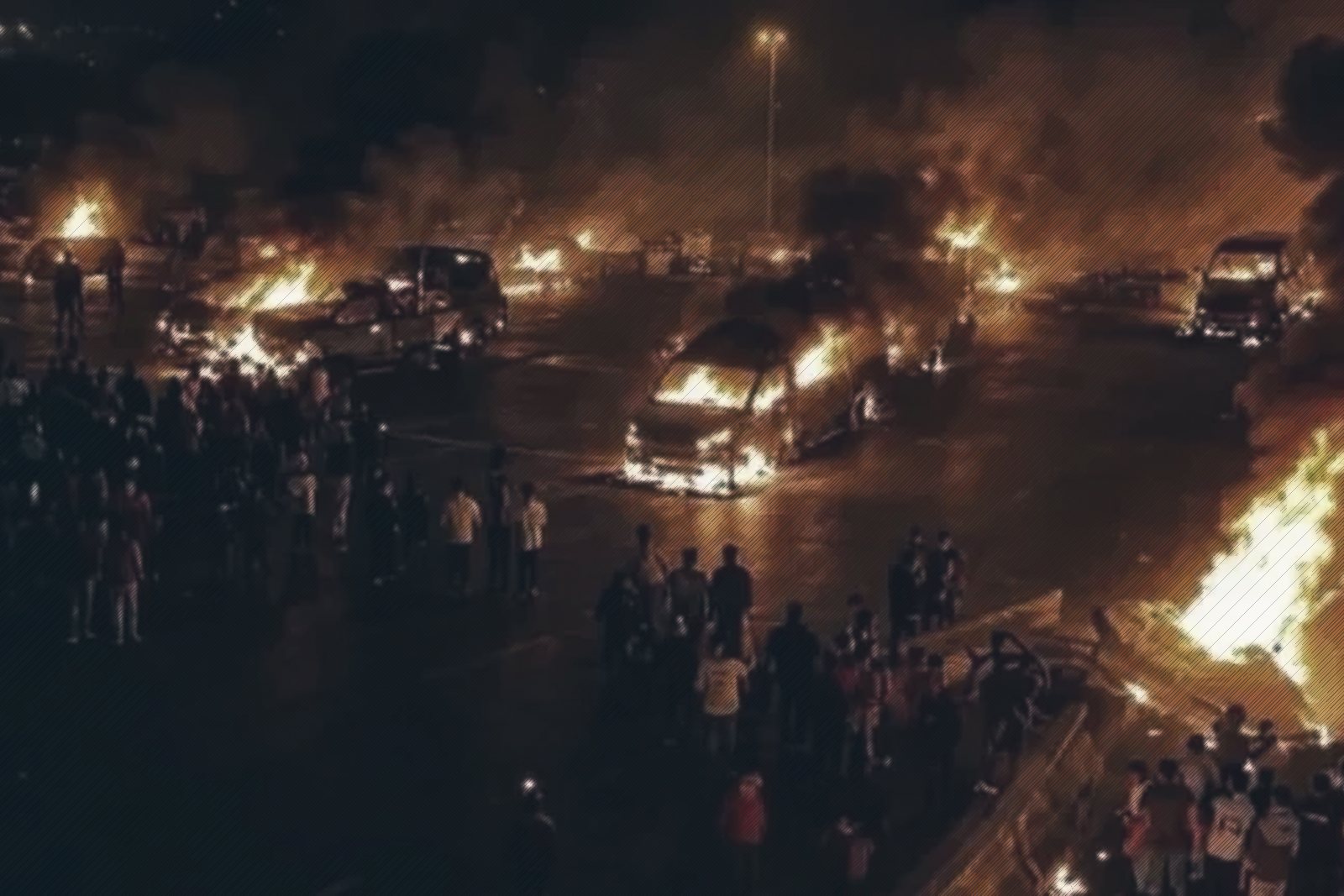
At 6.08 on Wednesday evening, a tanker carrying petroleum products overturned on the Ring Road above Warraq, in Giza, and burst into flames. Within minutes, fire had swallowed the cars around it. By the time the Health Ministry finished counting, 31 people were dead and 21 injured. Prosecutors recorded 27 burned vehicles. Some of the dead could be identified only by DNA.
Egypt's government has responded as it usually does. President Abdel Fattah al-Sisi offered condolences and directed officials to care for the injured. The cabinet formed a crisis committee. A private driver who admitted to speeding was arrested within a day. All of that may be necessary. None of it touches the question that matters: why does a country that has spent so much on roads keep losing so many of its people on them?
A rule that existed only on paper
The most damning fact about Warraq is not the collision but the hour. Under a 2018 prime ministerial decree, heavy vehicles carrying more than five tonnes are barred from the Greater Cairo Ring Road between 6am and midnight. The fine for breaking that rule is between 1,000 and 3,000 Egyptian pounds, a sum so small that it functions less as a deterrent than as a toll. Regulations issued in 2021 require carriers of hazardous goods to train their drivers, fit GPS trackers linked to the Land Transport Regulatory Authority, keep to approved routes and times, and avoid residential areas where possible.
A fuel tanker was on one of the busiest roads in Greater Cairo at the height of the evening rush. Either it was allowed to be there, or no one was watching. Both answers indict the state, not merely the man behind the wheel of a speeding car.
Even the basic facts remain murky. The Petroleum Ministry says the tanker belonged to a private contractor; other reports say it was operated by a company working for the ministry. Witnesses say ambulances took 20 to 30 minutes to arrive, contradicting official claims that the first crews came within minutes. The Transport Ministry has hurried to deny other accounts of the cause. A government confident in its own conduct would publish the tanker's licence, its permit, its GPS log and the emergency response times. It has published none of them.
A minister for everything, accountable for nothing
Kamel al-Wazir, until then head of the army's engineering authority, became transport minister in March 2019, after his predecessor, Hisham Arafat, resigned when a train crashed and caught fire at Cairo's Ramses station, killing more than 20 people. Mr Arafat accepted responsibility. His successor has made a habit of refusing it.
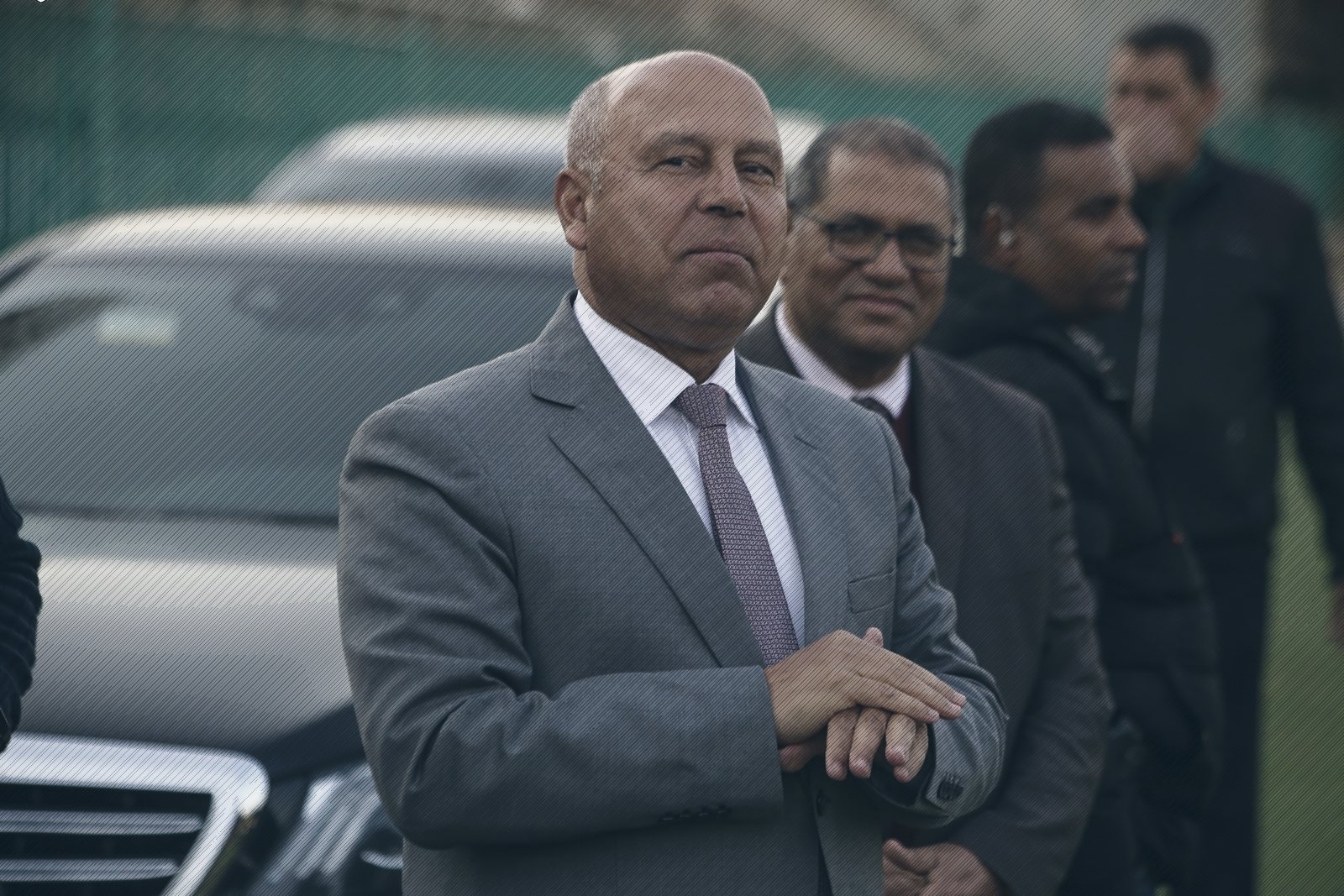
In March 2021, two trains collided near Tahta in Sohag, killing 19 people. Mr al-Wazir said he was "not used to escaping" and would stay. Weeks later another train derailed at Toukh. In June 2025, 19 people were killed on the Regional Ring Road, most of them young women travelling to farm work. Asked whether he would resign, he replied: "No, I am not resigning," adding that he would stay in the post "until I die". This month, on 8 November, a Giza-Fayoum train ran into the back of a stationary train south of Cairo, killing seven and injuring more than 110; prosecutors found that its automatic control system had been switched off and that a signalling log had been altered.
Two days later, Mr al-Wazir went before parliament's transport committee. The cost of his railway upgrade programme, he told MPs, had risen from 225bn pounds at 2019 prices to about 810bn. Then he made a remarkable admission. Explaining why private companies should run more of the network, he said: "We are failures at management." It is hard to think of another government in which a minister could say that of his own department, a year after promising to stay in office until he dies, and expect to keep his job.
In 2024 Mr al-Wazir was also made deputy prime minister for industrial development and minister of industry. A man who cannot keep tankers off the Ring Road in rush hour was given a second ministry to run.
His manner has done nothing to reassure the public. He has repeatedly berated railway officials and staff in front of the cameras during inspection visits, on one occasion telling an official to "get out of my sight". In most countries, a minister who spoke to public servants that way on camera would not survive the week. Calls for his resignation, including from politicians within the pro-government coalition, have gone nowhere. He appears to answer to no one but the president who appointed him.
The numbers under his stewardship speak for themselves. According to the official statistics agency, CAPMAS, 5,829 people died on Egypt's roads in 2025, 10.8 per cent more than the year before, and 84,553 were injured. Between 2019, the year he took office, and 2025, roads killed 44,940 Egyptians and injured more than 476,000. Each crash is followed by the same ritual: a visit to the hospital, a promise that the negligent "will not escape punishment", the arrest of a driver or a signalman, and then silence until the next one. Junior staff go to jail. The minister stays.
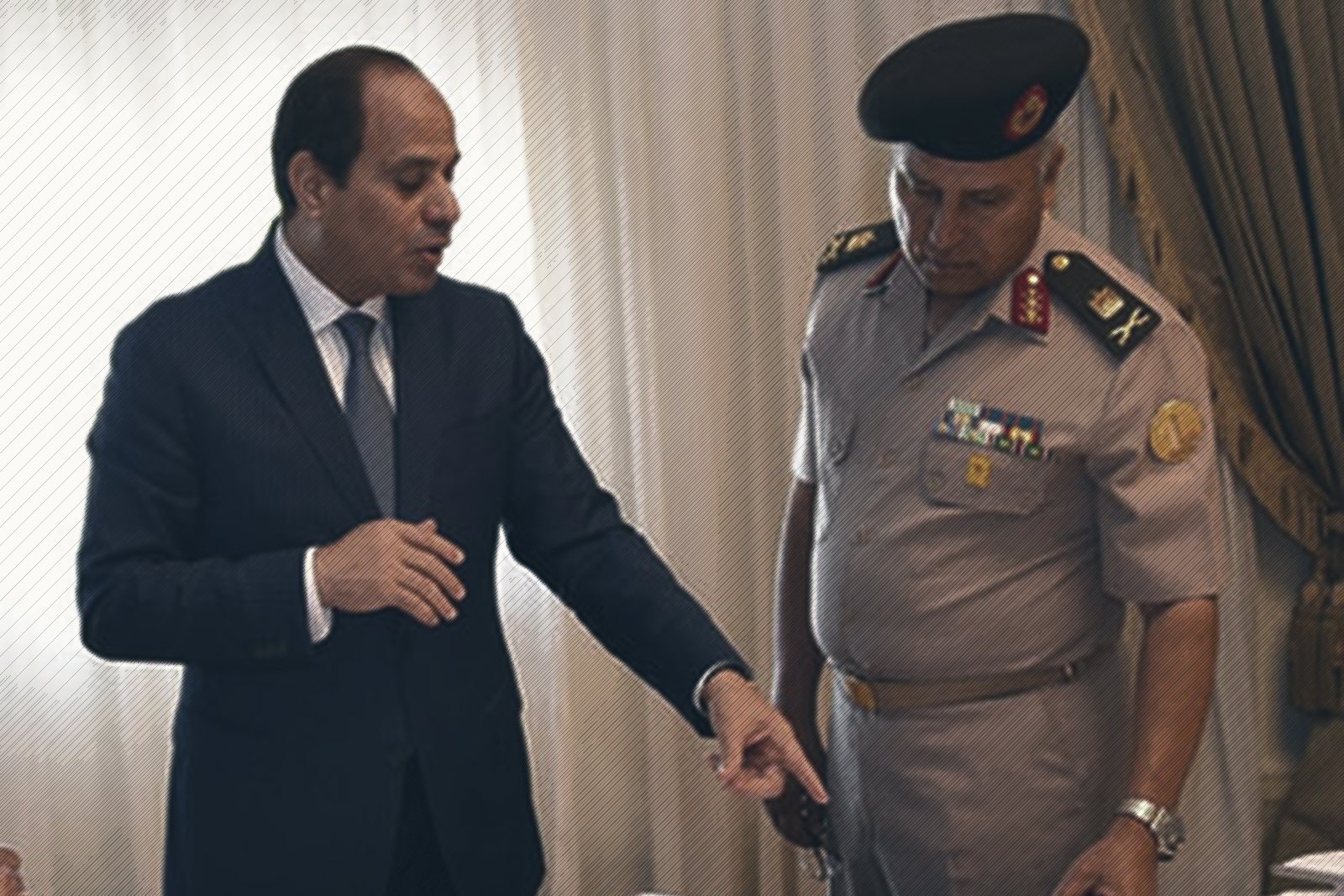
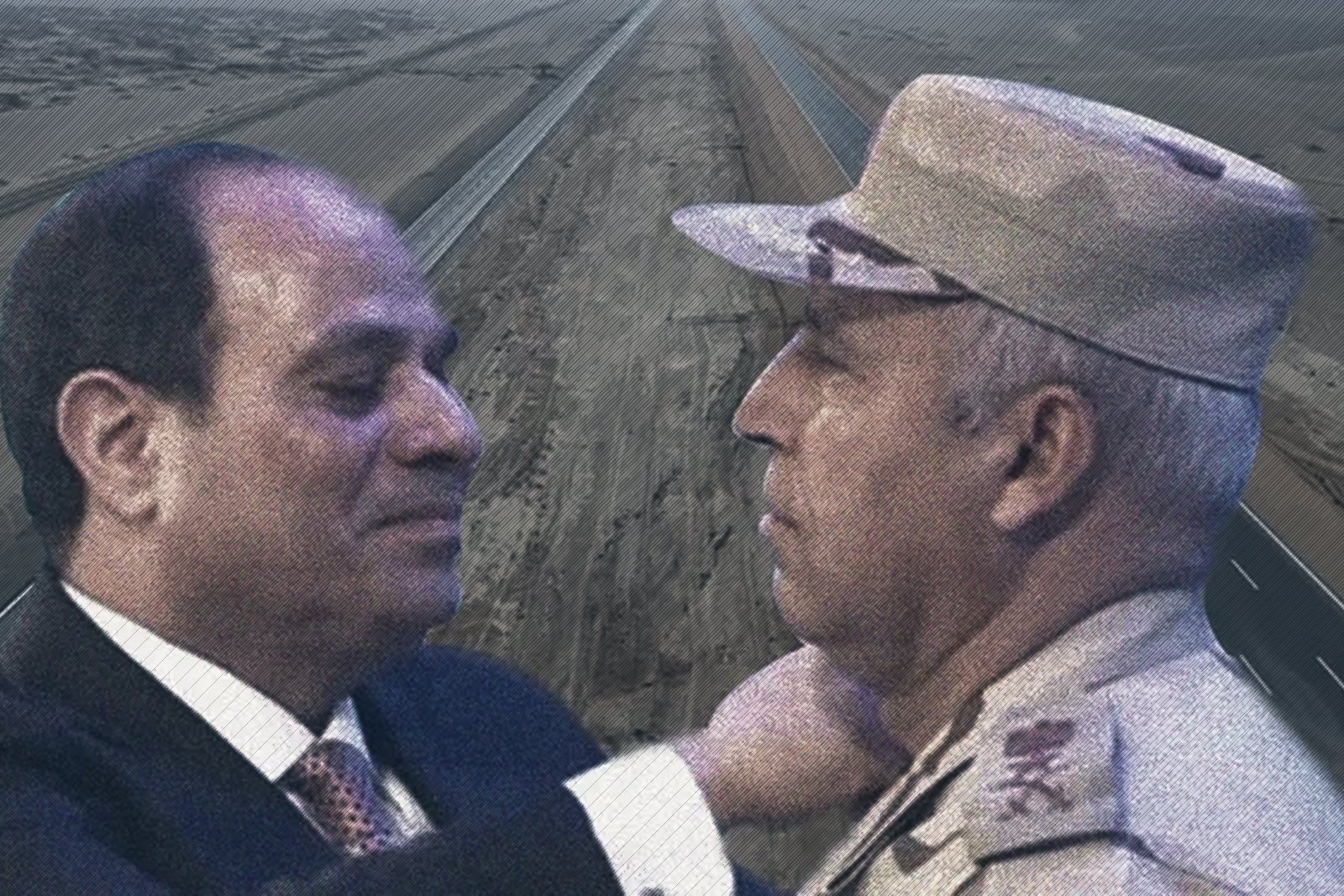
Traffic policing belongs to the Interior Ministry, and drivers make their own choices. But Mr al-Wazir's responsibility runs deeper than his current title. Before taking over transport, he headed the Armed Forces Engineering Authority, the military body that oversaw much of the national roads programme launched in 2014, including the Regional Ring Road where those 19 people died last year. He has, in effect, both built a large part of Egypt's road network and been in charge of running it. Few officials anywhere have had such complete control over a country's roads, and none can claim to be a bystander to what happens on them.
Concrete without care
None of this is for lack of money spent. Egypt has poured about 530bn pounds into new main roads, building some 7,000km of highway and 935 bridges. It has committed to a high-speed railway whose first plan alone was put at $23bn, and to a new administrative capital in the desert. The government presents these projects as proof of a modernising state.
But a road is only as safe as the rules that govern it and the people who enforce them. Concrete is visible and can be opened with a ribbon. Inspections, driver training, tracking systems, ambulance coverage and burn units are invisible until the day they are needed. Egypt has chosen the first and neglected the second. A road-safety expert has estimated that crashes cost the country between 3 and 5 per cent of GDP each year, more than enough to pay for the enforcement that might prevent them.
The money is also running short. In the first half of the current fiscal year, servicing the public debt consumed about 83 per cent of the state's revenues, according to Ahram Online. A government that borrows heavily to build monuments to the future leaves itself little to spend on keeping its citizens alive in the present.
Who pays
The people who die on Egypt's roads and railways are rarely those who plan them. They are commuters in old cars and microbuses, workers on crowded third-class trains, young women packed into pickups on the way to the fields. The families who lose a breadwinner often lose their income with them, and the compensation the state promises comes slowly, if at all. The burden of a failed transport system falls, as such burdens usually do, on Egyptians with the least power to complain.
And complaint is costly. In a country where critics of officials have faced prosecution, the ordinary mechanisms of accountability, a free press, an independent parliament, a minister who fears for his job, barely function. Even Amr Moussa, the former Arab League secretary-general, felt moved to say this week that "condolences and prayers are not enough". When even establishment figures say so, the government should listen.
The failure is not one man's alone. It belongs to a system in which ministers owe their posts to the presidency rather than to parliament or voters, in which grand projects are announced from the top and scrutiny is treated as disloyalty, and in which the army's engineers build the country's infrastructure with little public accounting for cost or quality. Mr al-Wazir is the most visible product of that system. He is also the clearest test of whether it can ever hold anyone to account.
 Illustration
What accountability would look like
Egypt does not need another crisis committee. It needs an independent inquiry into Warraq whose findings are published in full, including who licensed the tanker, why it was on the Ring Road at rush hour and how long the emergency services took to arrive. It needs the 2018 ban enforced with real penalties and real monitoring, and the hazardous-goods rules applied to every carrier, public or private. It needs transport spending judged by lives saved rather than kilometres laid.
And it needs political responsibility to mean something. Mr Arafat resigned after Ramses. Seven years, tens of thousands of deaths and another inferno later, the man who replaced him has said he will stay until he dies. The 31 people who burned on the Ring Road on Wednesday deserved a state that took their safety as seriously as its own monuments. The least that state can now offer is a minister who accepts that the job comes with consequences. Kamel al-Wazir should go.