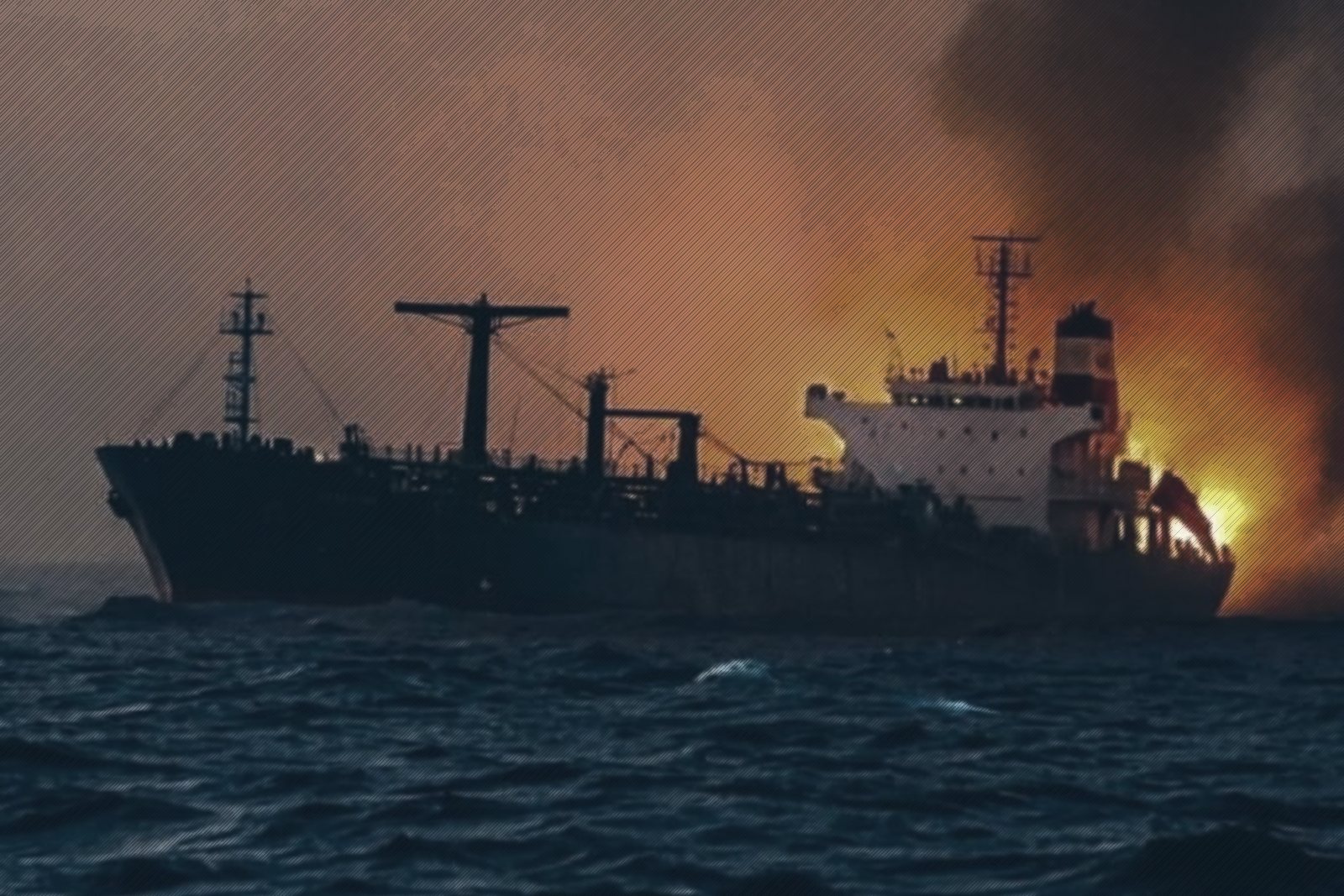
Iran's Revolutionary Guards said on Sunday that three oil tankers had caught fire in the Strait of Hormuz, hours before oil markets reopen after their sharpest weekly fall since the war with Iran began.
The Guards described the vessels as "non-compliant tankers" that had "exploded and caught fire while they were sailing in the illegal channel", the route Iran says ships may not use. They did not name the ships or give their flags. Iran's military said two of them had struck mines.
What can be confirmed
Independent confirmation is thinner than the claims. Britain's maritime agency, UKMTO, reported a tanker on fire off Khasab, Oman, on Saturday and said its crew had been evacuated; another tanker was struck by an "unknown projectile" the same day. Emirati state media said 22 people had been rescued from a burning vessel in the Gulf of Oman and were in a stable condition. AFP could not establish whether the reports described the same incidents.
The Guards have made similar claims before that were not borne out. In October the Joint Maritime Information Center, which advises shipping in the region, found "no substantiation" for an Iranian report that two supertankers had hit mines, and US Central Command has said all mines in the strait have been cleared. Some attacks are real: on 4 November the Marshall Islands-flagged product tanker Velos Sapphire was hit by two projectiles north of Qatar, and one crew member was killed.
America opens a land front
On Saturday Central Command announced Task Force Iron Gate, which is meant to stop Iran moving weapons, dual-use technology and sanctioned goods across its land borders and the Caspian Sea. Its commander, Admiral Brad Cooper, said it would reinforce "the success of our ironclad blockade against Iran at sea". Since July, US forces have turned back 147 merchant ships and disabled five that refused to comply, the latest being the St Kitts-flagged Huda in the Gulf of Oman.
On Sunday the Guards also lifted the 2,000km limit Iran had set on the range of its ballistic missiles. Iranian state media reported explosions on Saturday on Qeshm Island and at Jask, Sirik and Bandar Abbas; President Trump has described recent US strikes as "minor".
What the market has priced
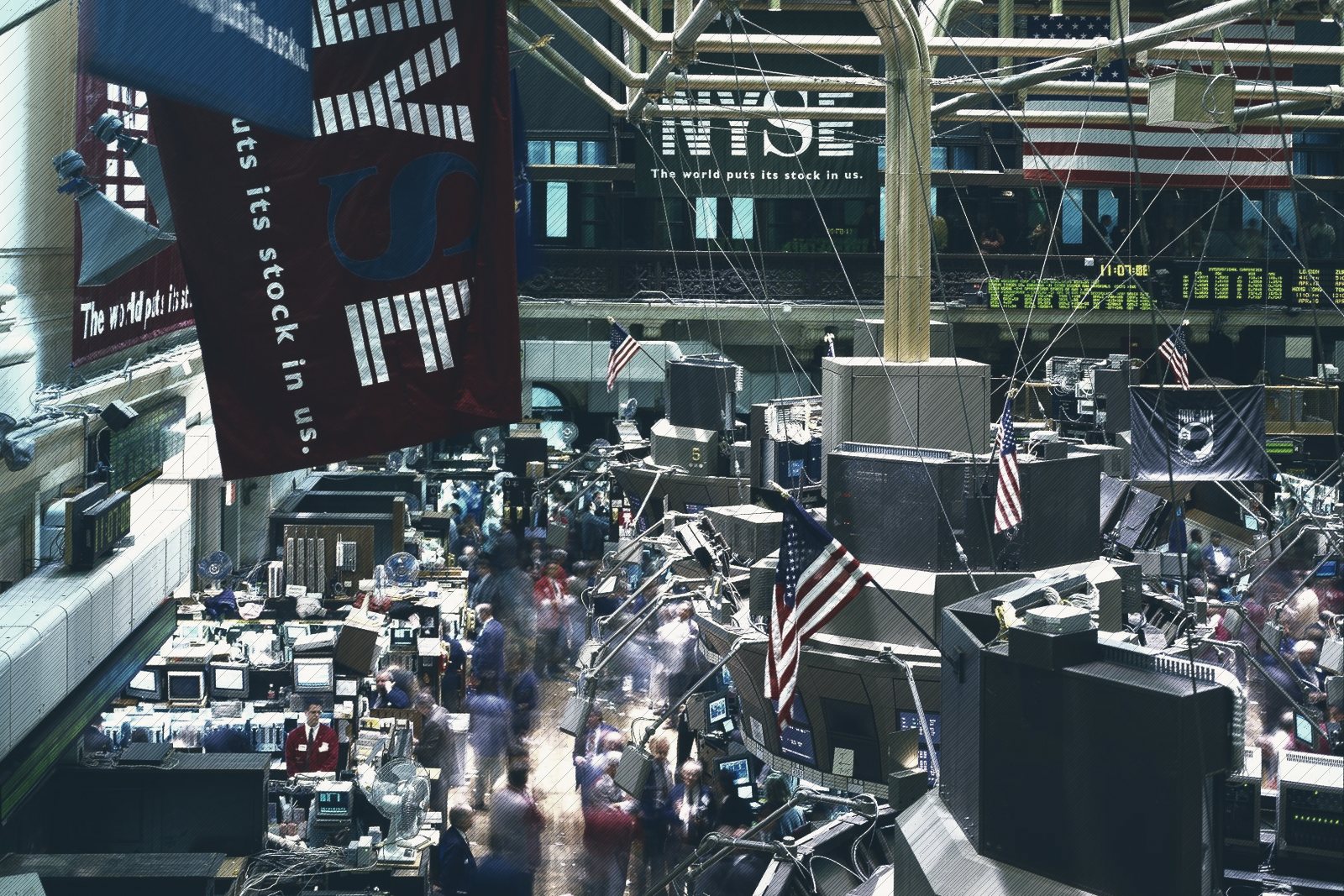
Oil traders spent last week betting on peace. Brent fell 9.7 per cent on Wednesday alone, to $93.52 a barrel, as Tuesday's US elections raised hopes of a settlement, and it ended the week below $99, down by more than 12 per cent. Qatar has passed proposals to Iran that address its nuclear programme, and Iran says it is studying them.
Not everyone believed the rally in diplomacy. Bob McNally of Rapidan Energy Group doubted a quick deal and saw a high chance that fighting would resume. Monday's open will show which reading the weekend has strengthened.
The stakes are large. The strait normally carries about a fifth of the world's oil consumption. Estimates of how much is getting through now vary widely, and Iran declared the strait closed on 26 October, though Central Command says it has helped Gulf states export 1.5bn barrels through it since the summer.