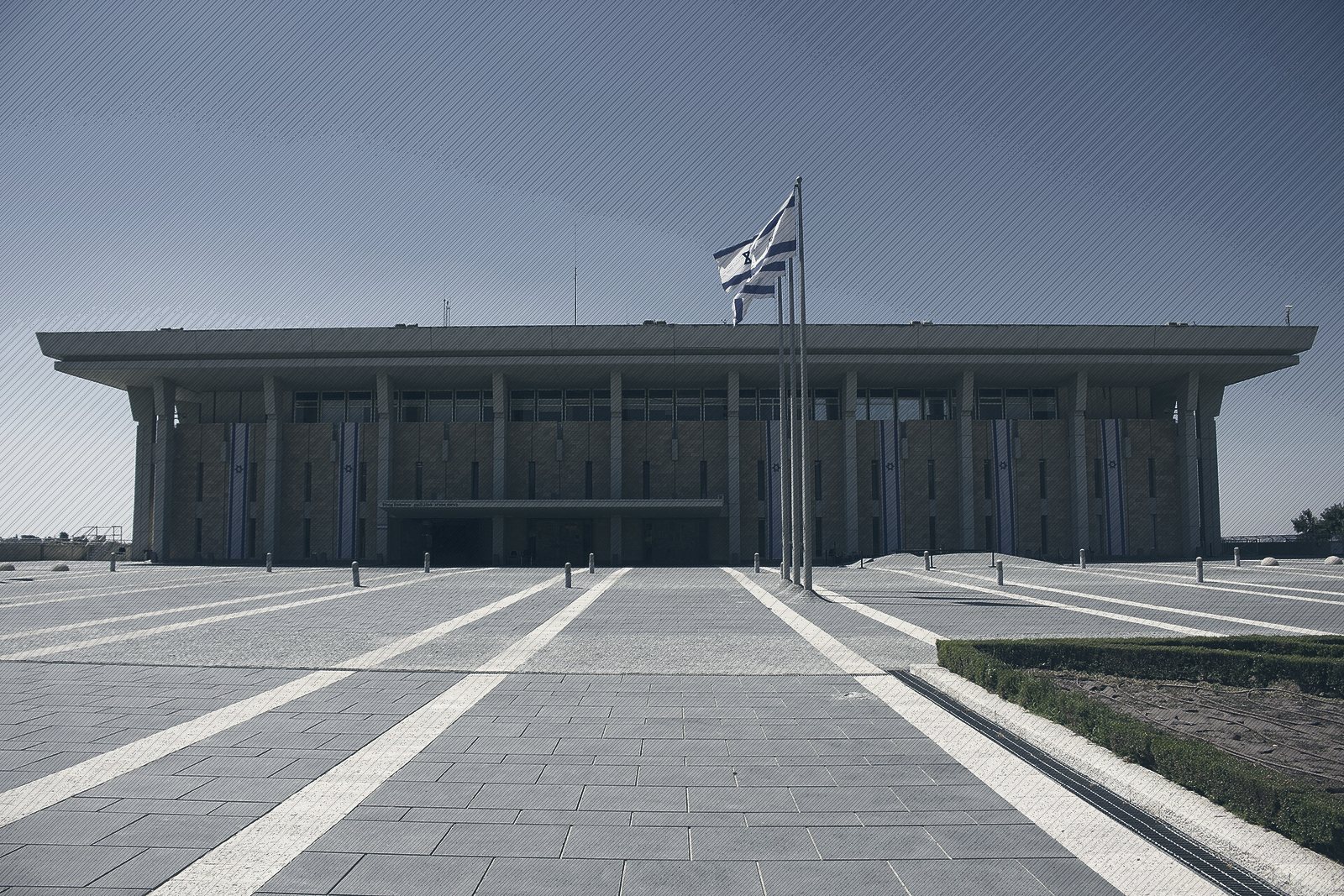
Israel's general election has produced no clear majority, with Benjamin Netanyahu's Likud on course to be the largest party but neither of the main blocs near the 61 seats needed to govern.
With 51.5 per cent of votes counted on Wednesday morning, Likud was projected to win 27 of the Knesset's 120 seats and Yashar, the centrist party led by the former military chief Gadi Eisenkot, 21, according to ynet. Netanyahu's bloc stood at 55 seats, Eisenkot's at 49 and Arab parties at 16. Exit polls on Tuesday night had suggested a narrow lead for the opposition. Election officials expect 600,000 to 650,000 double-envelope ballots, roughly 15 seats' worth, which could take until Friday to verify.
Turnout was 77.7 per cent, up 7.1 percentage points on 2022, according to the Central Elections Committee.
"The public chose change," Eisenkot said. Netanyahu said: "The Zionist majority must come to its senses and unite." President Isaac Herzog must consult the new parliamentary factions before asking a lawmaker to try to form a government, a process that could take weeks.
The economic stakes
The economy was voters' top issue, cited by 21 per cent in a Channel 12 survey before the vote. The economy grew 3.2 per cent in the first half of 2026, unemployment is 2.8 per cent and inflation 1.5 per cent, but food prices rose 8 per cent between early 2024 and mid-2026, according to the consumer group Lobby 99. The shekel weakened as preliminary results emerged, ynet reported.
The Bank of Israel estimated the cost of the wars at about 350bn shekels ($114.6bn) as of March, excluding the conflict with Iran. Netanyahu has proposed a defence budget of 183bn shekels, about 9 per cent of GDP. Public debt stands at about 68 per cent of GDP.