Since the first US-Israeli strikes on Iran on 28 February, the price of Brent crude has averaged just over $100 a barrel, according to data from the US Energy Information Administration. In January and February it averaged about $69. That gap of roughly $31, or 46 per cent, is the war premium the world has paid for oil.
Chart
Brent crude, monthly average
How much has the Iran war added to the price of oil?
$ a barrel. Source: US Energy Information Administration, Europe Brent spot price FOB. Monthly averages of daily prices. The war began with US-Israeli strikes on Iran on 28 February. October is not shown because the month is incomplete.
Three phases
The shock was immediate. Brent averaged $103.13 in March, up from $70.89 in February, and peaked at a monthly average of $117.29 in April. Prices eased over the summer, falling to $83.76 in July, the lowest monthly average since the war began.
The respite did not last. Brent climbed back to an average of $114.16 in September and rose further in October, reaching $126.55 on 14 October before falling to $115.22 by 20 October. On Monday it traded at about $115 as hopes grew of de-escalation between Washington and Tehran.
Not just the oil
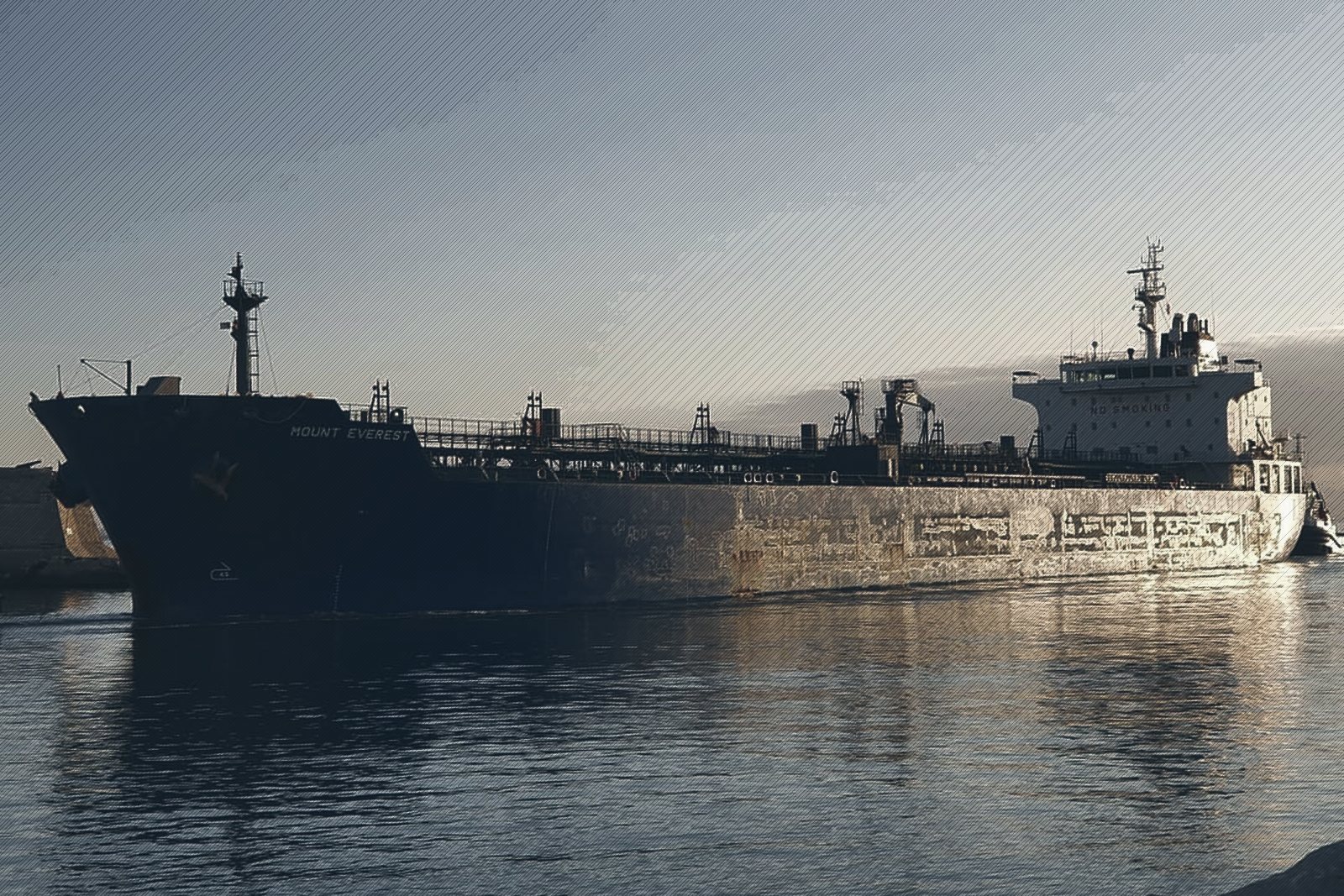
The premium extends beyond the barrel itself. Goldman Sachs estimates that the cost of shipping a barrel of oil has risen from about $3 to $20, of which about $7 is a war-risk premium and $4 reflects higher marine fuel costs.
The International Energy Agency does not expect a quick return to normal. "I don't see any credible pathway that 2027 will be a year of normalisation," Fatih Birol, its executive director, said in London last week. A survey of oil executives by the Federal Reserve Bank of Dallas found that a majority expect market instability to last into the second half of 2027.