Brent crude fell below $90 a barrel on Tuesday for the first time since the end of August, as a Qatari-brokered plan to reopen the Strait of Hormuz reached the White House and President Trump said he would hold off on further strikes against Iran.
The international benchmark dipped under $90 in early European trading before recovering to about $91, according to market data, and was trading near $92 in Asia on Wednesday morning. On Monday it had settled at $92.57, down 5.85 per cent on the day. It is now about 23 per cent below its peak of nearly $118 on 30 October.
The plan on the table
Qatar's prime minister, Sheikh Mohammed bin Abdulrahman Al Thani, who recently visited Tehran, met Mr Trump and Vice President JD Vance in Washington on Monday. Iran's offer, as described by Reuters, would end the US blockade of Iranian ports, lift some sanctions and halt the bombing; in return Tehran would end its own blockade of the strait, with talks on its nuclear programme and other sanctions to follow. Iran says the deal could be completed in two days. Reports in Israeli media, which neither government has confirmed, added the release of $8bn of Iranian funds frozen in Qatar.
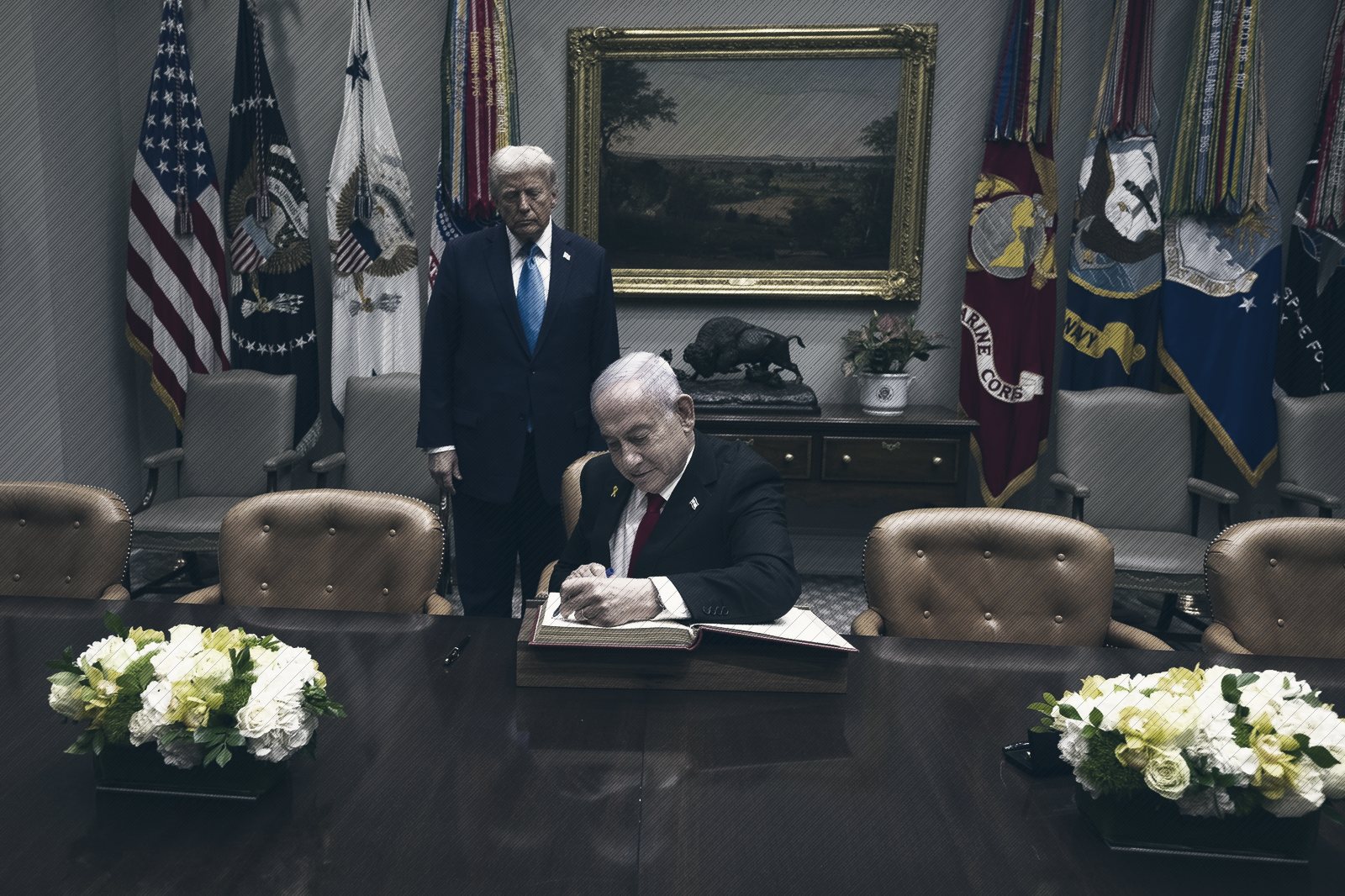
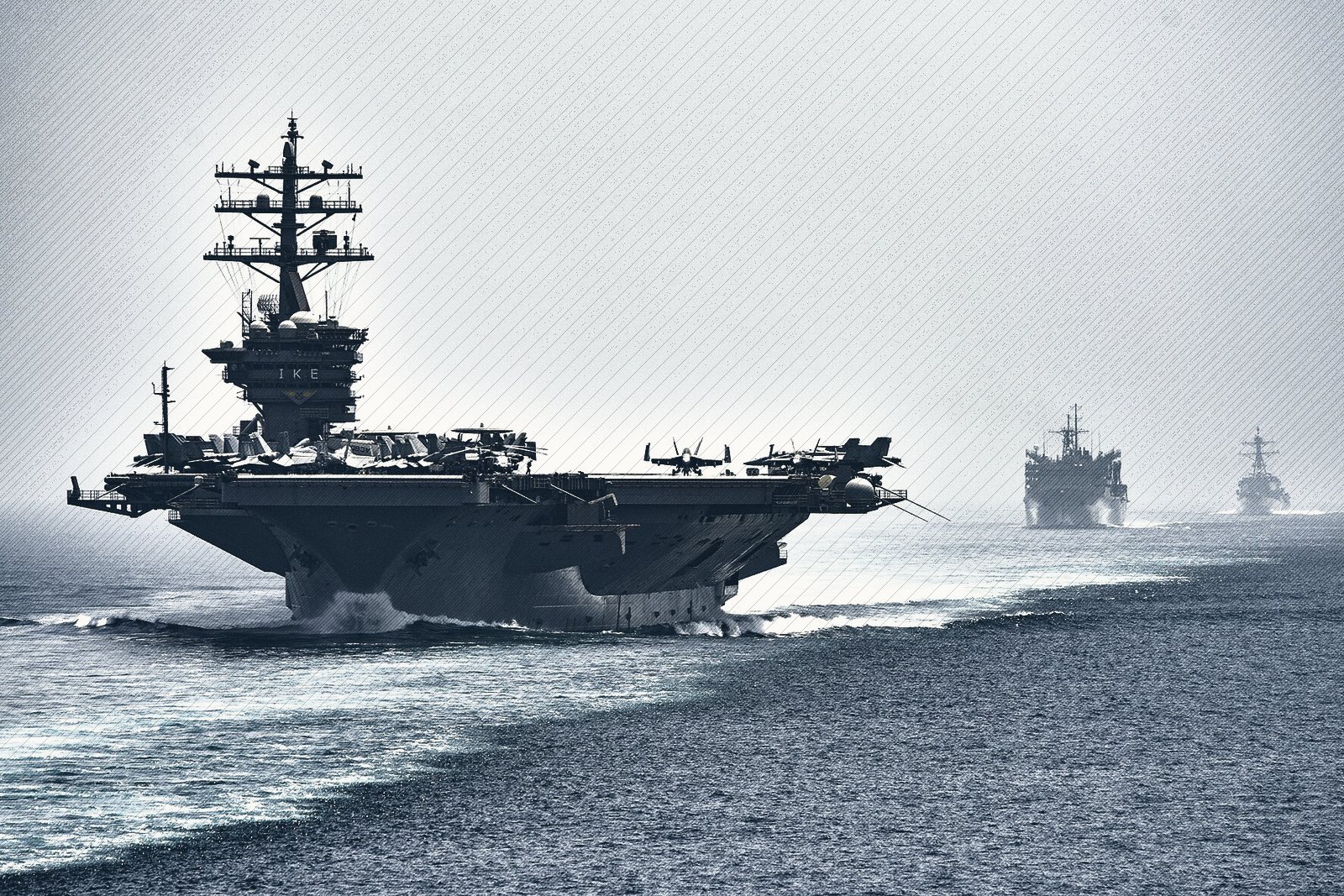
Mr Trump said he would hold off on further military strikes after appeals from countries in the region, but would keep the naval blockade in place. Renewed strikes, he said, were "highly unlikely" if the talks produced a strong agreement.
Washington is not there yet
His secretary of state is less hopeful. Marco Rubio said he did not believe a breakthrough was imminent and called Tehran's conditions "outrageous and ridiculous and really not realistic". Anwar Gargash, a senior adviser to the UAE's president, said a comprehensive settlement looked difficult and urged the region to prepare for "a long period of uncertainty". Iran's foreign ministry called its plan "the most reasonable offer on the table".
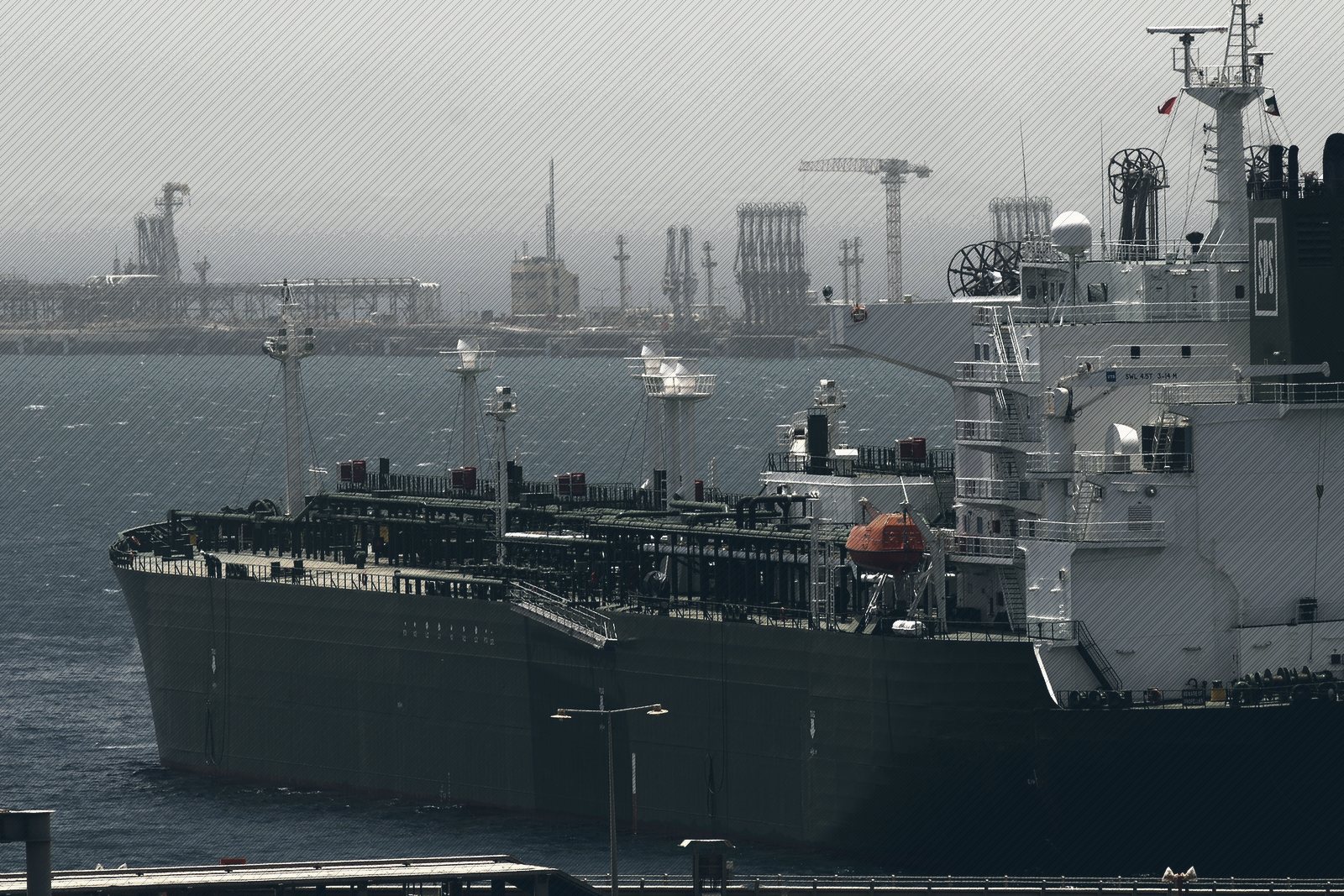
The fighting has not stopped. The US reportedly struck Iran's Qeshm Island overnight on Sunday, and attacks on tankers in the Gulf and the strait are running at their highest rate since the war began on 28 February, according to Reuters. On Sunday Iran's Revolutionary Guards said three tankers had caught fire in the strait.
Why the market moved anyway
Traders are pricing the direction of travel rather than a signed agreement. Brent lost about 16 per cent last week, its steepest weekly fall since the start of the pandemic, as the US elections and Qatar's mediation raised hopes of an end to the war. Supply has also loosened at the margin: a survey of producers found Opec output rose in October, led by Saudi Arabia, Kuwait and Iraq, and JPMorgan estimates the market ran a surplus of about 1.4m barrels a day last month.
China has returned as a buyer. Its crude imports rose 9.4 per cent in October from September, to 9.88m barrels a day, the highest since March, although they remain 13.3 per cent lower than a year earlier.
The risk in the price
Cheaper oil is not yet lower inflation. US consumer prices rose 0.4 per cent in October, above forecasts of 0.3 per cent, with energy driving the increase, and markets now put the probability of a Federal Reserve rate rise in December close to certain.
The danger for anyone selling oil on the strength of a deal is that the strait is still closed and the US blockade remains in force. A price that has fallen 23 per cent on diplomacy can rise just as quickly if diplomacy fails.