When OPEC+ ministers meet on Sunday to set production limits for 2027, they will be dividing up oil that much of the group cannot get to market. The Strait of Hormuz remains tightly constricted by the war with Iran, and this week the alternative routes came under fire too.
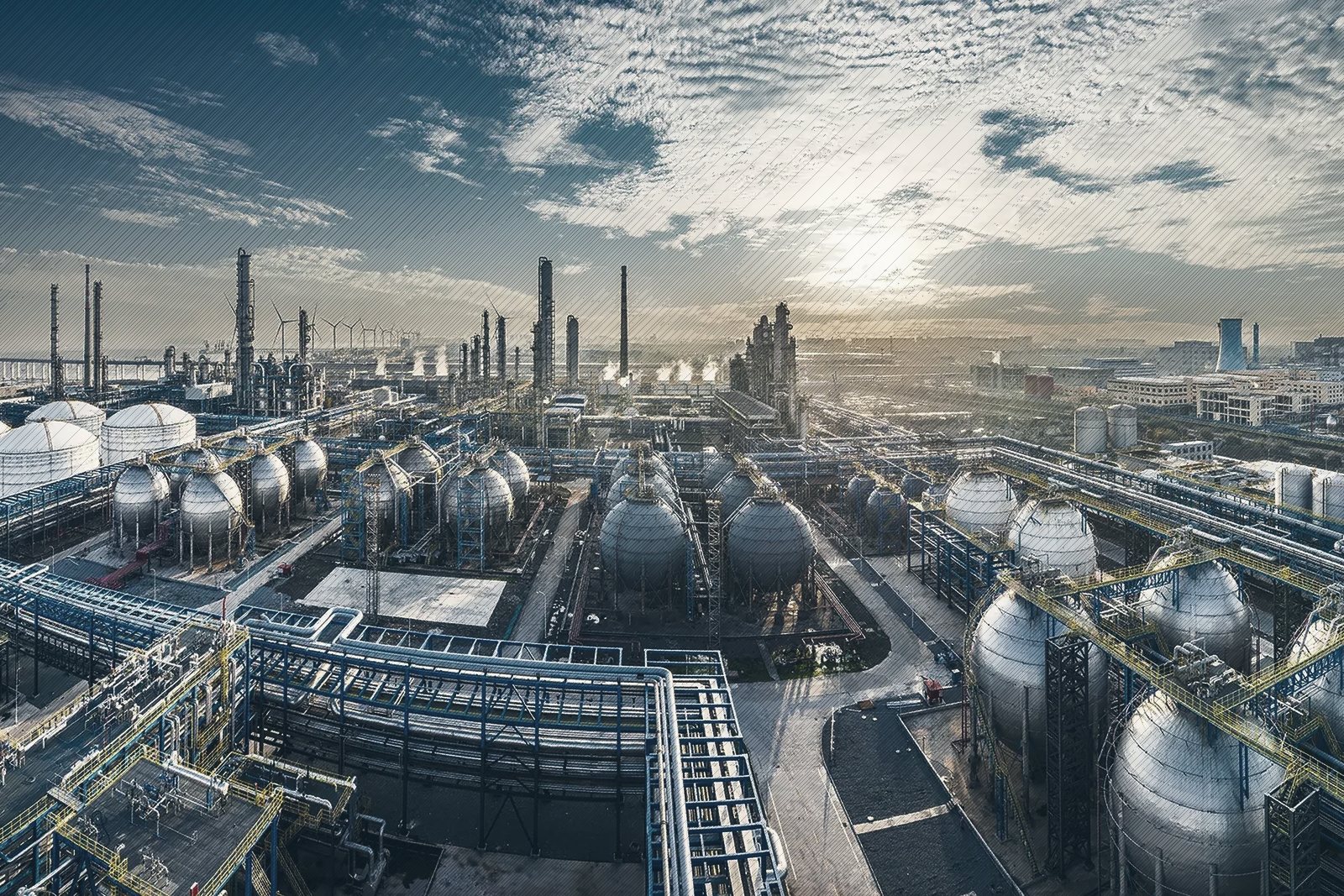
On Thursday a projectile struck the Jazan refinery on Saudi Arabia's Red Sea coast, starting a fire, halting some operations and killing a Nepali worker. The Saudi-led coalition in Yemen blamed the Iranian-backed Houthis, who a day earlier had claimed attacks on Ras Tanura, the kingdom's largest refinery, and on the Red Sea ports of Jeddah and Jazan. Brent crude rose above $96 a barrel, up about 8 per cent in three sessions.
The meeting will produce numbers on paper. What matters more is what the week has revealed about where oil can still move, and who controls the routes.
The second door is under fire
Saudi Arabia has weathered the war better than its neighbours because it built an escape route decades ago. The East-West pipeline carries crude 1,200km from the oilfields of the Eastern Province to Yanbu on the Red Sea, and the kingdom has rerouted about 4m barrels a day through it, roughly 4 per cent of global supply. Export volumes from Yanbu have more than tripled since Hormuz closed.
That route is now a target. Drone attacks forced Saudi Arabia to shut the pipeline for several days in September; Riyadh said they were launched from Iraq. It was struck again on 9 November in the Medina region, although the energy ministry said operations were unaffected. Since July the Houthis, whose war with the Saudi-backed Yemeni government has reignited, have declared a blockade on Saudi shipping, attacked tankers in the Red Sea and fired missiles and drones at refineries, airports and ports. Saudi oil normally makes up about two-thirds of the traffic through the Bab el-Mandeb strait at the southern end of the Red Sea.
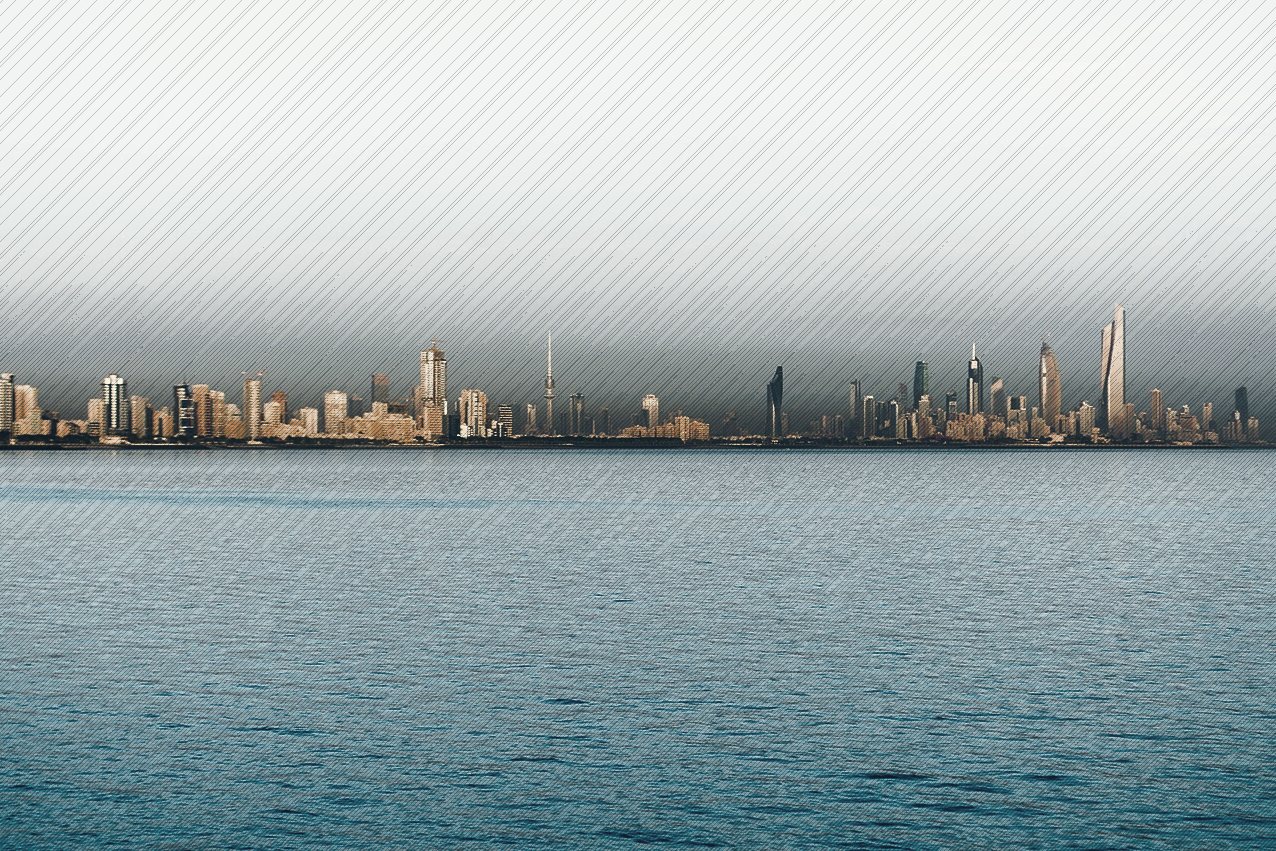
The lesson is uncomfortable for every Gulf producer. A bypass reduces dependence on one chokepoint, but it does not escape geography. Oil that leaves through the Red Sea must still pass Yemen. For Kuwait, Qatar and Bahrain, which have no bypass at all, the week was a reminder that even the alternatives they are now studying would run through contested ground.
Quotas for barrels that cannot move
Against that backdrop, the meeting has a technical agenda. A year ago OPEC+ agreed that from 2027 each member's production baseline would be set by an audit of its "maximum sustainable production capacity", the output it can hold for a year and bring on stream within 90 days. Most of the audits, by the American consultancy DeGolyer and MacNaughton, were due by the end of September and slipped to mid-November, partly because the war delayed expansion plans and partly because some members were slow to submit data.
The core members have held their targets flat for three consecutive months, and according to three sources cited by Reuters they have agreed in principle to keep quotas unchanged for the first quarter of 2027. In practice, a freeze on paper restrains little. With Hormuz disrupted, most members are producing well below their limits anyway. Kuwait's output fell to about 740,000 barrels a day in May, against a target of about 2.6m.
The fight is about after the war
The real argument is about market share once the strait reopens, and it is already straining the group.
Iraq, whose current quota is 4.431m barrels a day, wants its future allowance based on a capacity of 6m. The audit reportedly put its capacity at 4.9m. Iraq's prime minister has reportedly raised the possibility of leaving OPEC, a suggestion his own oil ministry opposed, and Reuters has reported that American officials encouraged both Iraq and Venezuela to consider leaving. The United Arab Emirates already did so in May, after years of disputes over its production limits.
Saudi Arabia, with the largest spare capacity, wants quotas to follow the audited figures. That would reward the countries that invested in capacity, and penalise those that cannot prove it. For a group whose power rests on collective restraint, the risk is that the end of the war brings not a coordinated return of supply but a scramble, with each member pumping as fast as it can to recover lost revenue.
What it means for prices
For now, the market is pricing danger, not quotas. The International Monetary Fund's Gulf forecasts assume that Hormuz reopens gradually from March 2027. If that happens while Red Sea routes are still under attack, prices could stay high even as the strait clears. If the strait reopens and the Houthi campaign fades, the barrels held back by the war would return at once, and an OPEC+ divided over baselines might struggle to stop prices falling sharply.
Either way, Sunday's decision will matter less than the two waterways on either side of the Arabian peninsula. OPEC+ can set the limits. It cannot, for now, guarantee the routes.