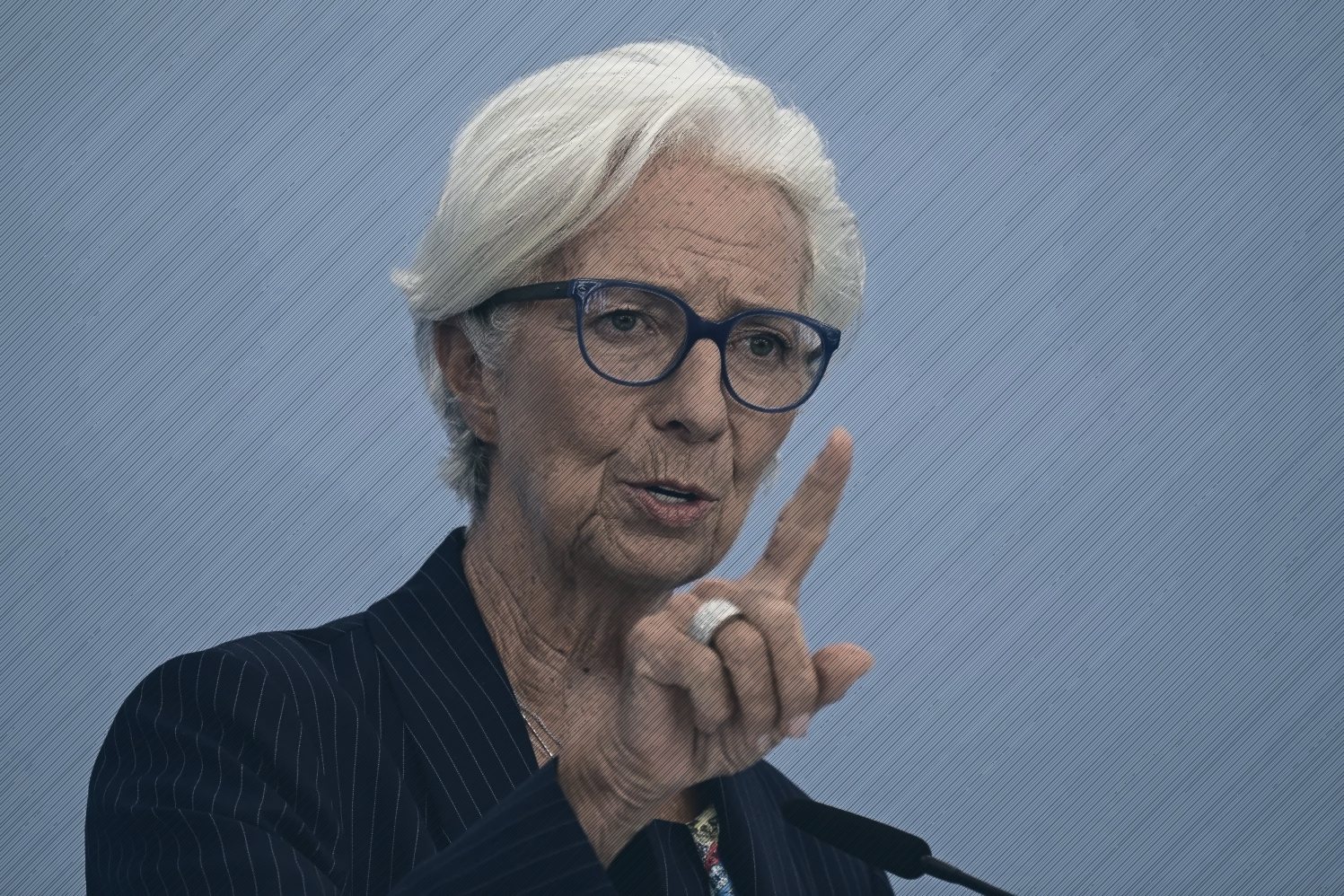
Christine Lagarde will step down as president of the European Central Bank on 7 February 2027, about nine months before her eight-year term was due to end, the bank announced on Thursday. It gave no reason. Reports since February have linked the timing to France's presidential election in April.
"I leave with a sense of a good work done and an ECB that is fit for the future," Lagarde said.
The announcement came as the bank held its deposit rate at 2.5 per cent, after two increases this year. Inflation in the euro zone rose to 3.8 per cent in September from 3.2 per cent in August, driven by energy prices linked to the Iran war, against a target of 2 per cent. The ECB said rising energy prices posed "upside risks to the inflation outlook and downside risks to the growth outlook", and did not commit to a path for rates.
A race to succeed her
Pablo Hernández de Cos, the former governor of Spain's central bank, and Klaas Knot, the former head of the Dutch central bank, are seen as the frontrunners. Two other seats on the six-member executive board, including that of the chief economist, Philip Lane, also fall vacant in the first half of 2027.
France in focus
Lagarde's successor will inherit a growing strain in France. The yield on ten-year French government bonds rose above 5 per cent last week for the first time since 2002 and stood at about 5 per cent on Thursday, roughly 1.55 percentage points above German debt. Moody's kept France's Aa3 rating but moved its outlook to negative. "The bond market has taken over the ECB's job," analysts at ING wrote.
The ECB repeated that its Transmission Protection Instrument, which has never been used, is available to counter disorderly moves in bond markets.