

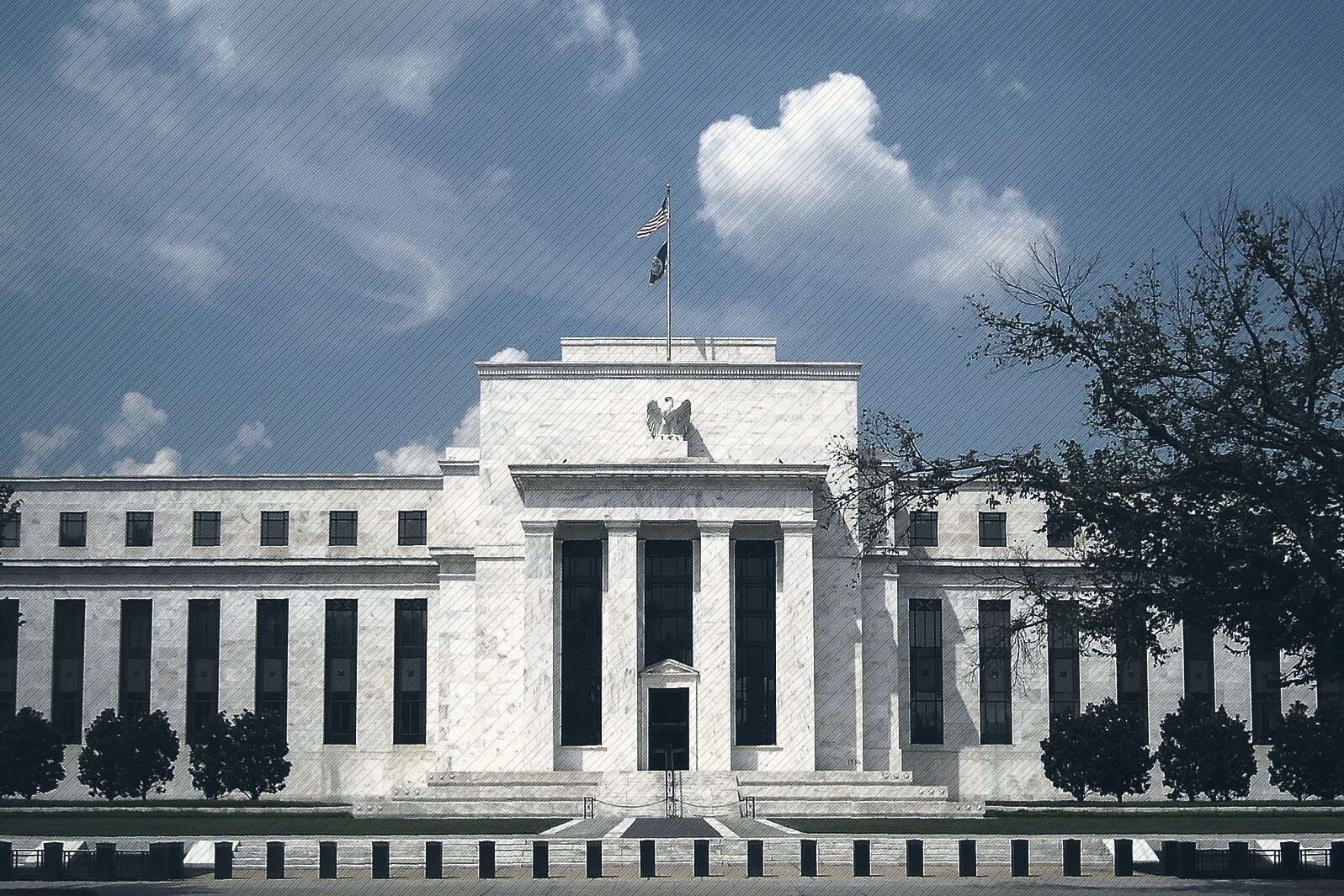
Three of the world's most important central banks set policy this week, as markets wrestle with high energy prices, elevated bond yields and doubts about the pace of AI spending.
The US Federal Reserve announces its decision on Wednesday, 28 October, at the end of a two-day meeting. After raising its target range by a quarter point to 3.75 to 4 per cent in September, the Fed is widely expected to hold: the CME FedWatch tool implied a probability of about 90 per cent for no change as of 22 October. There are no new economic projections at this meeting, so attention will fall on the statement and the chair's press conference for signals about December.
The European Central Bank follows on Thursday, 29 October, and the Bank of Japan on Friday, 30 October.
Data and yields
The decisions come amid a global bond sell-off. The ten-year US Treasury yield rose above 5.35 per cent earlier this month, its highest since 2002, as higher fuel prices linked to the war with Iran, heavy government borrowing and rising real yields pushed up borrowing costs. US consumer prices rose 3.4 per cent in the 12 months to August, with energy up 16.3 per cent.
Thursday also brings the first estimate of US third-quarter GDP and September's personal consumption expenditures data, the Fed's preferred inflation gauge. The third-quarter employment cost index follows on Friday.
Earnings
The week is also the busiest of the reporting season for Big Tech: Alphabet and Microsoft report after the US close on Wednesday and Amazon on Thursday, following a sharp fall in Meta's shares last week over its spending plans.