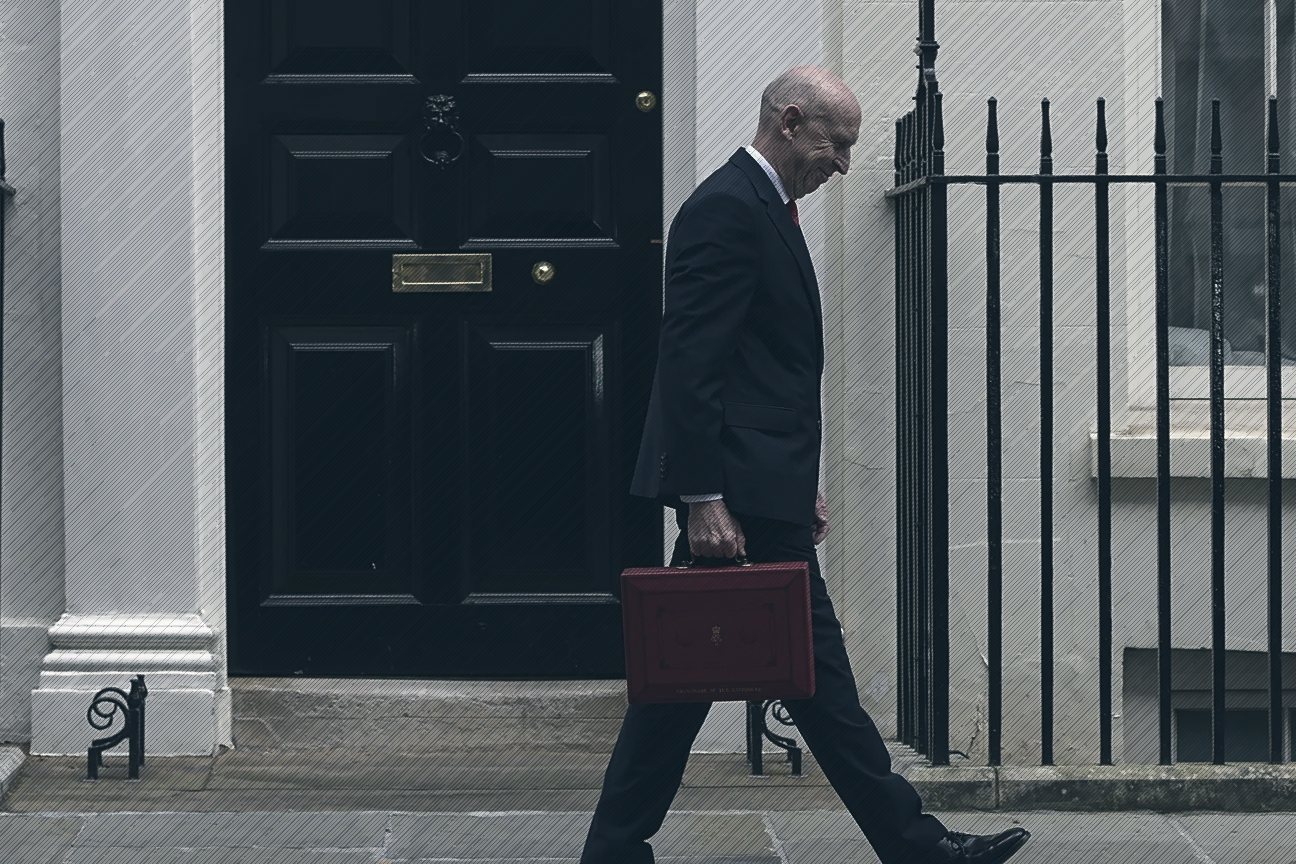
There is a version of today's budget that would be easy to deliver. Freeze fuel duty again, trim a tax or two, promise relief on energy bills and call it breathing space. It would be welcomed in the morning and regretted within the month.
Britain cannot afford comfort. Government debt stands at about 94 per cent of GDP. Ten-year gilt yields reached their highest level since 2007 this month, and the £23.6bn of headroom against the fiscal rules is expected to shrink once the Office for Budget Responsibility accounts for higher borrowing costs. Inflation rose to 3.5 per cent in September, shop prices are climbing at their fastest pace since early 2024, and the Bank of England is widely expected to raise rates again next month. A chancellor with little room cannot spend it all on day one.
France offers the warning. Its borrowing costs have climbed to their highest since 2002 as political turmoil and doubts over its budget fed on each other. Markets do not need a crisis to reprice a country; they need only a reason to doubt its plans.
Credibility first
Mr Healey's first task is therefore to meet his fiscal rules clearly and without accounting tricks. Every pound of new spending should be matched by a pound of savings or revenue, and every forecast should survive contact with the OBR.
That does not mean doing nothing for households. The war has pushed up the cost of energy, food and transport, and those on the lowest incomes are hit hardest. But help should be targeted at them, not spread thinly across everyone. A broad freeze in fuel duty costs a great deal and gives most to those who drive most. Direct support for poorer households would cost less and do more.
Banks and fairness
A higher surcharge on bank profits, reportedly under consideration, can be defended. Banks have benefited from higher interest rates that are squeezing their customers, and HSBC this week reported a 32 per cent rise in quarterly profit. But any increase should be modest, permanent rather than improvised, and part of a stable tax regime. Investors can live with higher taxes; they struggle with surprises.
What success looks like
The test of this budget is not the applause in the Commons this afternoon. It is the gilt market tomorrow, and mortgage rates next spring. A budget that steadies borrowing costs will do more for household finances than any giveaway it could afford.
Britain's government has promised breathing space. The surest way to provide it is to convince lenders that the country's finances are in safe hands. Credibility is not the enemy of compassion. It is what makes compassion affordable.