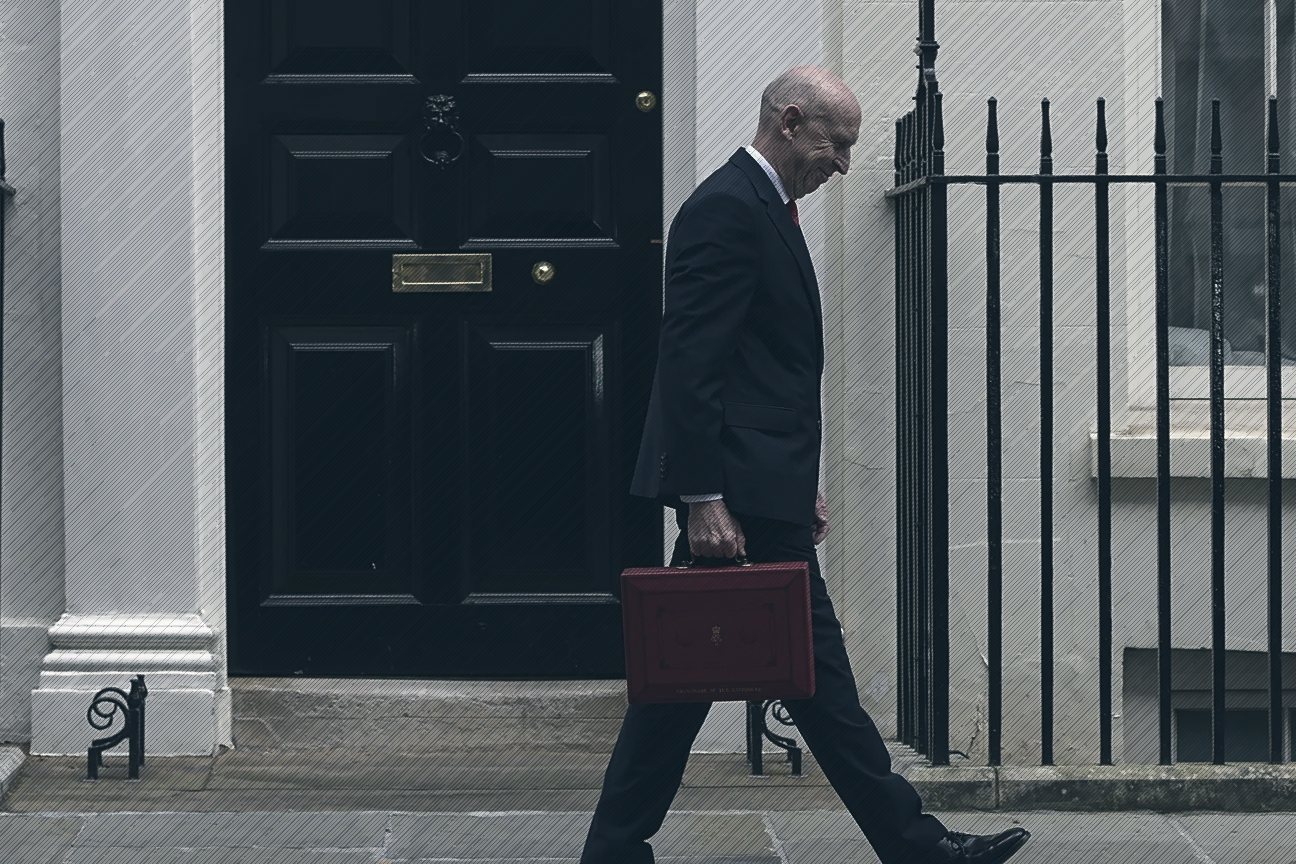
John Healey used his first budget on Wednesday to cut household energy costs and raise a temporary levy on banks, as higher borrowing costs narrowed his room for manoeuvre.
The chancellor extended the VAT cut on energy bills to July, which the Treasury says will take £50 off the annual price cap, and abolished gas standing charges for 23m homes, saving two-thirds of households an average of £45 a year. Twenty million households in council tax bands A to D will receive a £100 energy payment, at a cost of £2.6bn. Fuel duty was frozen for the 16th year in a row.
Banks will pay an extra three percentage points of surcharge on their profits for 15 months from January, less than the return to 8 per cent that some had feared. The planned cut to the cash ISA allowance was reversed, and the threshold for small business rate relief was raised from £12,000 to £18,000, benefiting about 70,000 firms. Healey also confirmed £20.4bn for the National Wealth Fund and the British Business Bank, and £500m for AI safety and security.
Less room than before
The Office for Budget Responsibility put the chancellor's headroom against his fiscal rules at £15bn in 2029-30, down from £23.6bn in the spring. Debt interest costs are forecast to rise by £14bn this year. Borrowing is expected to fall from 4.2 per cent of GDP this year to 1.8 per cent by 2030-31.
The OBR raised its growth forecast for this year to 1.2 per cent from 1.1 per cent, but cut next year's to 1 per cent from 1.6 per cent. Debt is forecast to peak at 83.8 per cent of GDP next year before edging down.