

China's economy grew by 4.5 per cent year on year in the third quarter, official data showed on 19 October, beating expectations and recovering from 4.3 per cent in the second quarter, the slowest pace in more than three years.
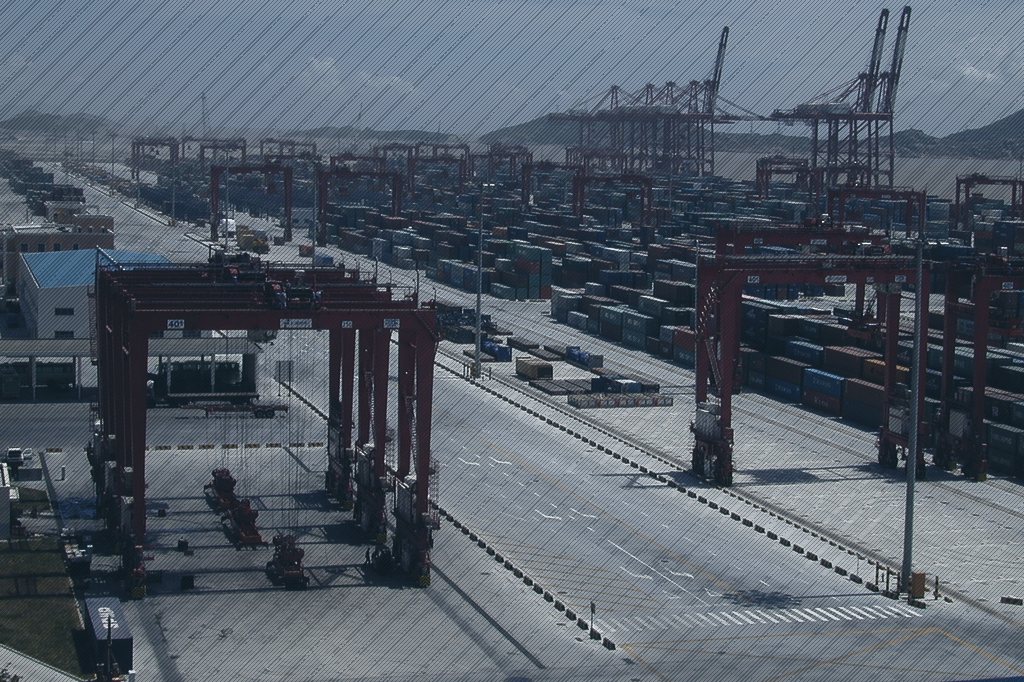
Exports did much of the work. Shipments jumped 36 per cent in September, and China's trade surplus for the first nine months of the year reached $938bn, putting it on course to exceed last year's record of $1.2tn. Passenger car exports exceeded 7.1 million in the January to September period, up more than 70 per cent on a year earlier, according to the China Association of Automobile Manufacturers.
Two economies
Domestic demand remains soft, with a prolonged property slump continuing to erode household wealth. Beijing's growth target for 2026 is 4.5 to 5 per cent, down from 5 per cent last year; the IMF has cut its forecast to 4.5 per cent, the bottom of that range.
Zenglein said the number hides widening disparities across industries, regions and households.
Trade frictions build
The export surge is sharpening tensions with trading partners. Chinese exports to the European Union rose 16 per cent in the first nine months, and the EU's deficit with China now runs at more than $1.1bn a day. Lynn Song, chief economist for Greater China at ING, said the imbalances "will be difficult to resolve quickly". The central bank governor, Pan Gongsheng, has said China is committed to expanding domestic demand.