

Bangladesh is forecast to overtake India on nominal income per head this year, according to the International Monetary Fund's October World Economic Outlook, a milestone that says as much about exchange rates and manufacturing strategy as it does about living standards.
The IMF projects Bangladesh's GDP per person at $2,886 in 2026, against $2,749 for India. The gap is expected to persist in 2027, at $3,219 against $3,036, before India moves ahead again by 2029, when the Fund projects $3,661 for India and $3,334 for Bangladesh.
A narrow and fragile lead
The comparison needs care. India's economy, at about $4.15 trillion, is roughly eight times the size of Bangladesh's $506bn. Measured at purchasing-power parity, which adjusts for local prices, India remains well ahead, at $12,998 per person against $10,884. Dollar figures also move with currencies even when output does not.
The near-term outlook also differs sharply. The IMF expects India to grow by 7 per cent this year and Bangladesh by 3.6 per cent, with inflation of 8.7 per cent in Bangladesh against 5 per cent in India. Bangladesh imports about 95 per cent of its oil and liquefied natural gas, much of it from the Middle East, leaving it exposed to the disruption in Gulf shipping.
The manufacturing story
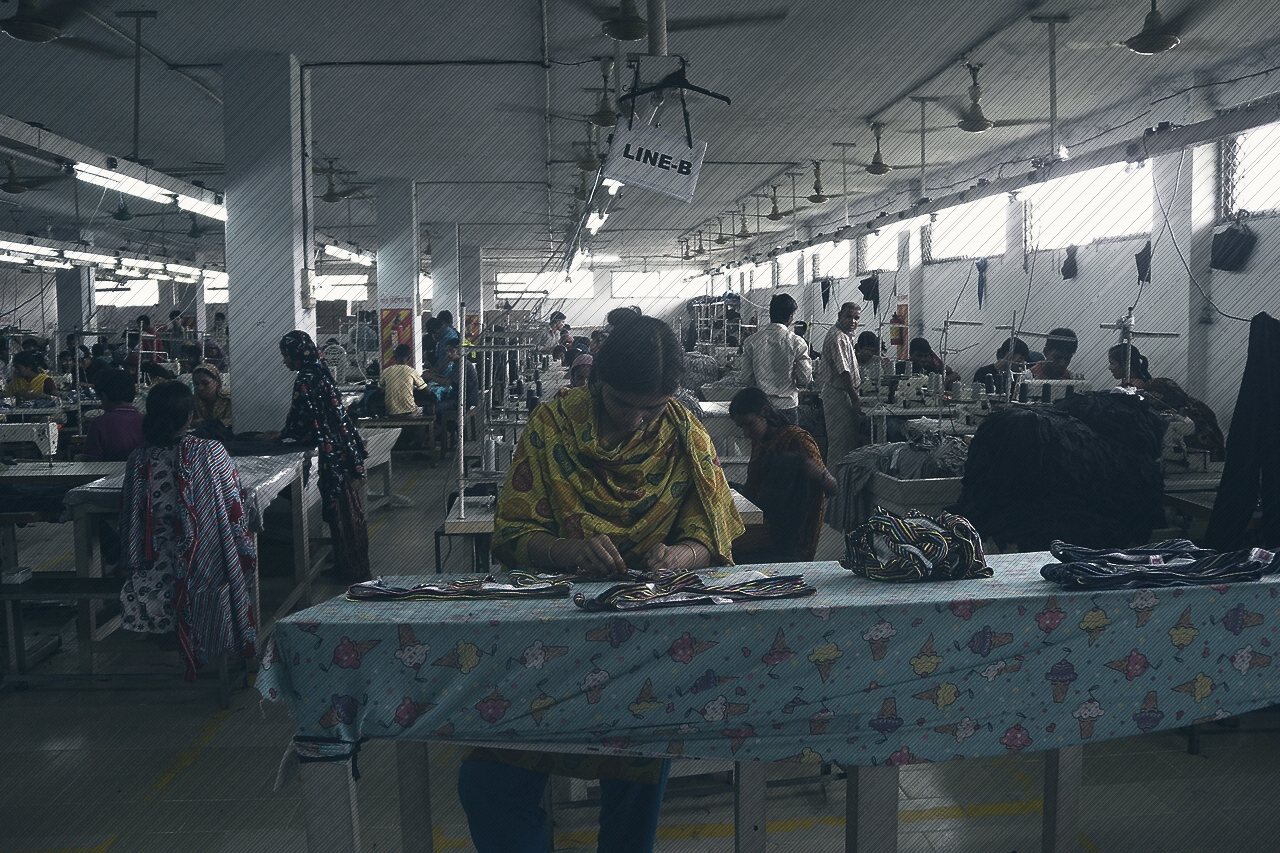
Economists point to the two countries' different paths. Manufacturing rose from 16.6 per cent of Bangladesh's gross value added in 2014 to 22 per cent in 2025, driven by a garment industry worth about $38bn that accounts for more than 80 per cent of export earnings. In India, manufacturing value added fell from 15.1 per cent of GDP to 13.5 per cent over a similar period.