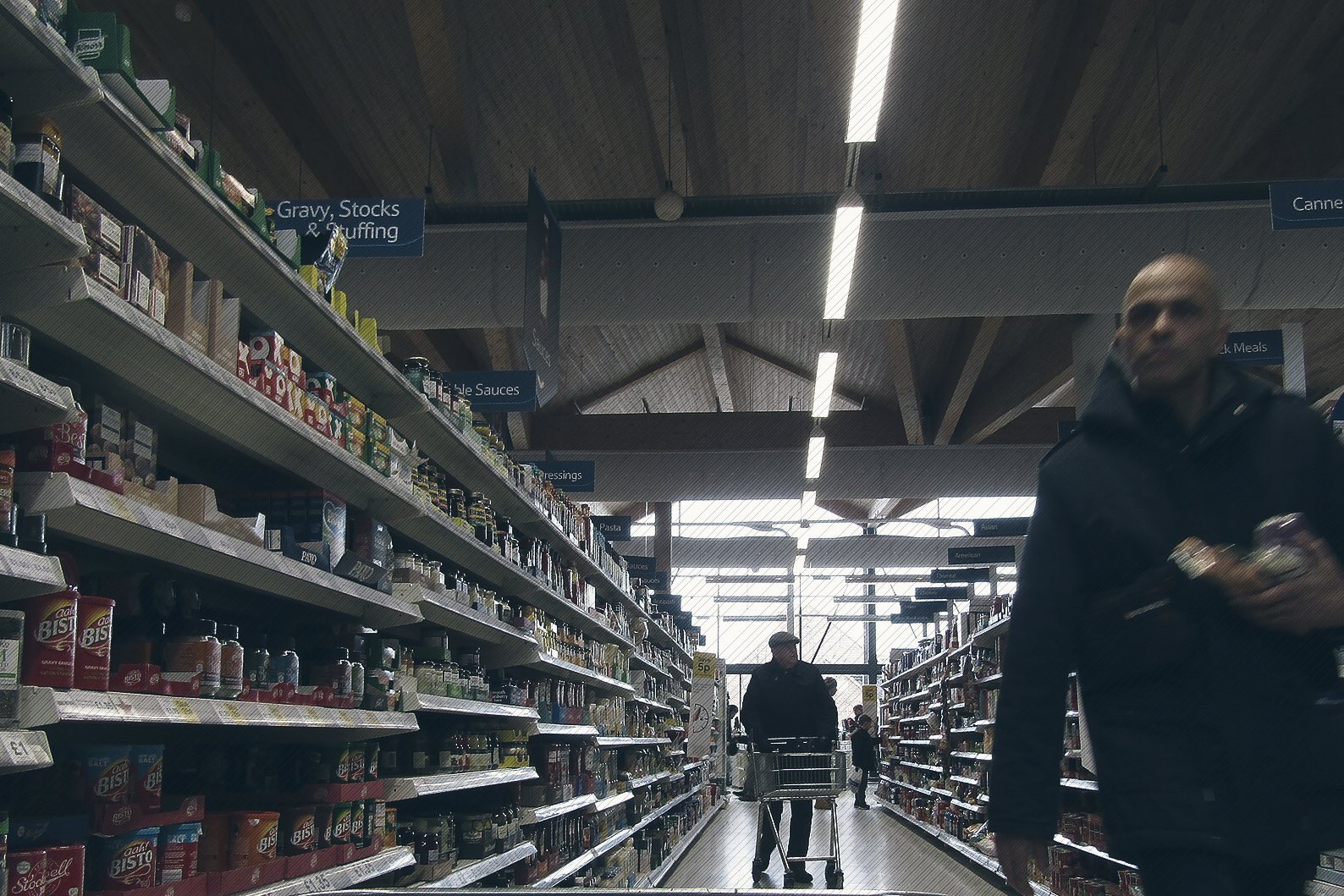
Prices in British shops rose 2.1 per cent in the year to October, up from 1.4 per cent in September and the fastest rate since February 2024, according to the British Retail Consortium.
Food inflation rose to 2.9 per cent from 2.5 per cent, its highest since April, with long-life food up 3.2 per cent. Fresh food held at 2.6 per cent. Non-food inflation more than doubled to 1.7 per cent from 0.8 per cent, the highest since December 2023, led by furniture, flooring and home improvement goods.
Retailers blamed higher transport and energy costs, rising employment costs and packaging levies. "The dam is starting to break on the huge wave of costs retailers have absorbed over the last two years," said Helen Dickinson, the BRC's chief executive. "Without a change of course, October's jump in inflation is only the beginning."
A message for the chancellor
The BRC urged John Healey to cancel planned increases in business rates, reduce the cost of employment and scrap packaging taxes in his budget on Wednesday. Mike Watkins, head of retailer insight at NIQ, said retailers had delayed some price rises by discounting and would now rely more on promotions to drive non-food spending.
The official consumer prices index rose 3.5 per cent in September, up from 3.1 per cent in August.