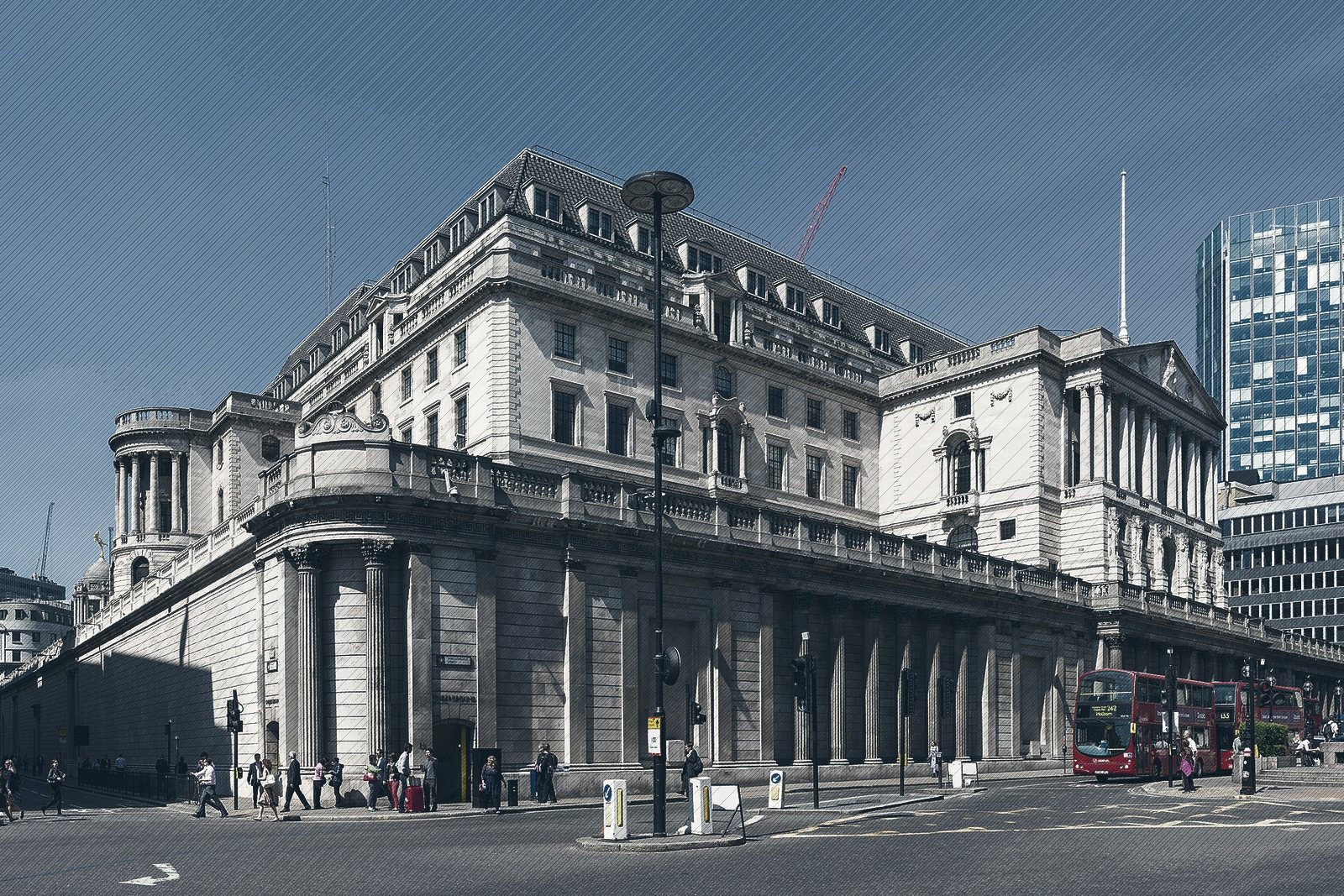
Inflation in Britain will stay above the Bank of England's 2 per cent target for the rest of the decade, according to the National Institute of Economic and Social Research, which now expects prices to keep rising faster than the Bank wants until late 2030.
In its autumn outlook, published on Tuesday, the think-tank forecast that consumer-price inflation would peak at 4.4 per cent in February 2027, up from the 3.8 per cent peak it projected in July. It expects inflation to remain above target throughout 2027, 2028 and 2029, returning to 2 per cent a year later than it previously thought.
Why it lingers
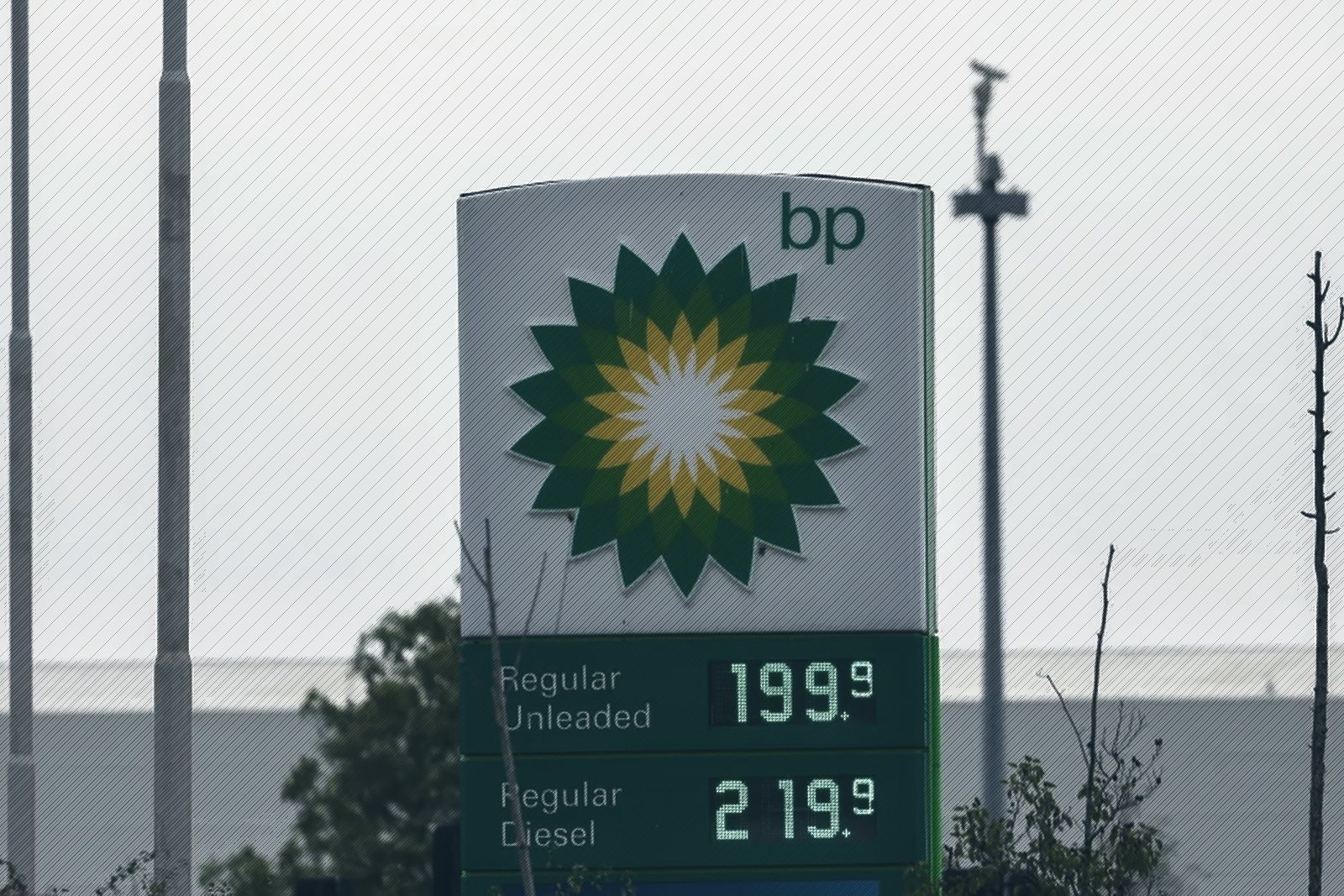
The cause, NIESR says, is not the oil shock itself but what follows it. Higher energy prices from the war with Iran are feeding through into wage demands, and those second-round effects keep inflation elevated long after the initial jump in fuel and power bills. It expects pay to grow by an average of 3.9 per cent a year over the next three years.
That leaves the Bank with an uncomfortable arithmetic. The Bank raised its rate to 4 per cent last week, its first increase in more than three years. NIESR estimates that rates would need to reach about 5 per cent to bring inflation back to target in the medium term, though it expects only one further rise, in February. Investors are pricing in two or three quarter-point increases by the end of 2027.
A stronger economy than expected
The forecast is not all gloom. NIESR raised its estimate of growth this year to 1.6 per cent, from 1.1 per cent, before a slowdown to 1.1 per cent in 2027 and 0.9 per cent in 2028. "The UK economy has held up better than we expected this year," said David Aikman, the institute's director.
The labour market is softer. NIESR expects unemployment, at 4.7 per cent in the most recent official figures, to drift up to a peak of 5.1 per cent in 2031.
Its sharpest criticism was reserved for policymakers. Britain faces higher energy prices and rising global borrowing costs, Mr Aikman said, and "how monetary and fiscal policy respond to them is a domestic choice". So far, he added, "decisions are being deferred".
The cost falls on the young
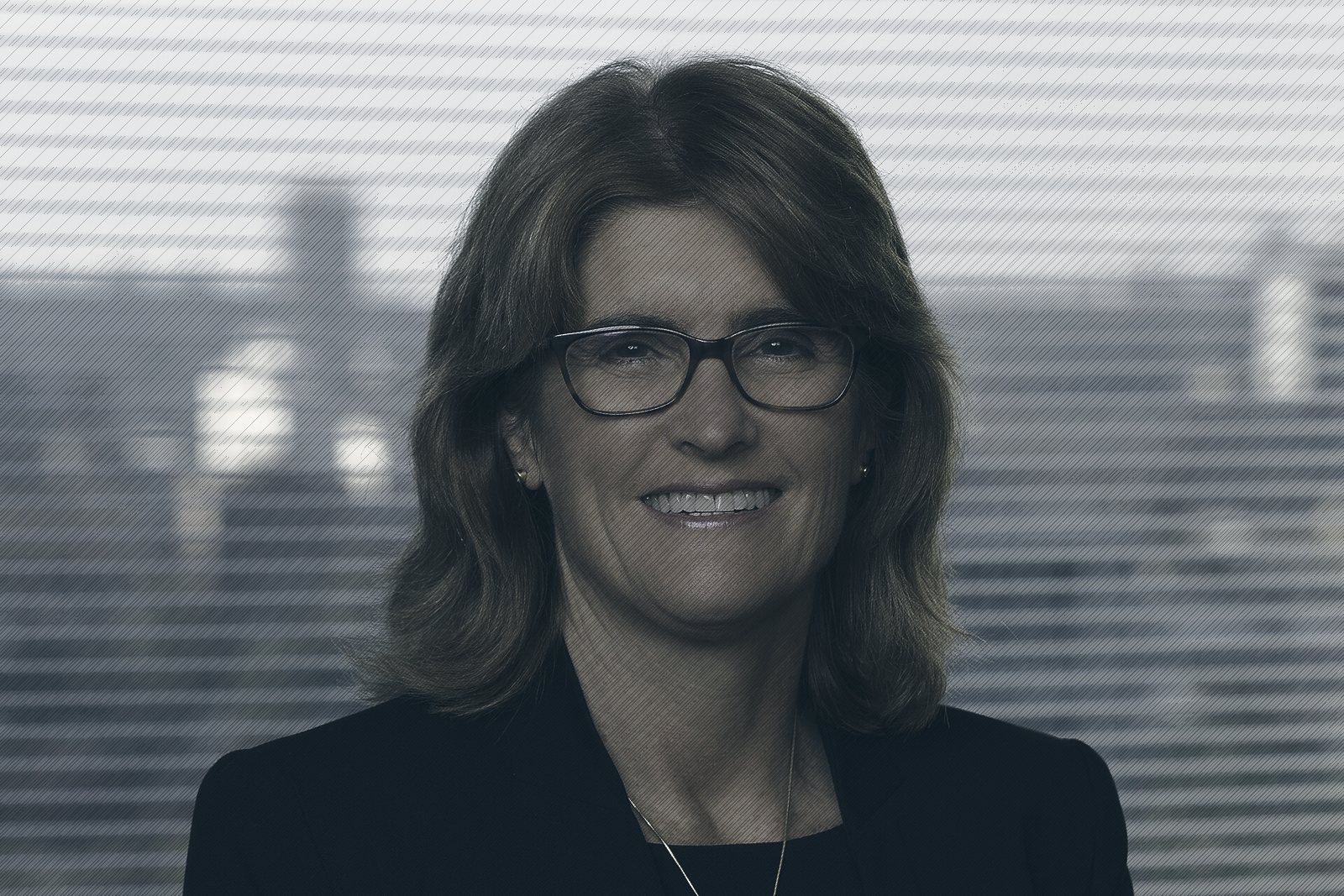
On the same day the Bank's own deputy governor for monetary policy described the same economy from the other side. Clare Lombardelli told the Guardian that Britain had become "a low-gear economy", with employers in a "low hire, low fire" pattern that leaves few redundancies but little recruitment. "What you see is the cost falling on young people," she said. Youth unemployment is at its highest since 2015 outside the pandemic, and the number of young people not in education, employment or training has risen to almost one million.
Her warning cut against any hope that a weaker jobs market would cool prices on its own. "You can have higher unemployment without it exerting a downward pressure on inflation," she said. Asked about a further rise in December, she said: "I wouldn't rule it out. Equally, I don't have enough information just yet." Markets put the chance at roughly even.
The pressure from abroad is also building. The yield on ten-year US Treasuries rose to 5 per cent on Tuesday, pushing up the cost of borrowing around the world, including for a British government whose debt stands at about 94 per cent of GDP.