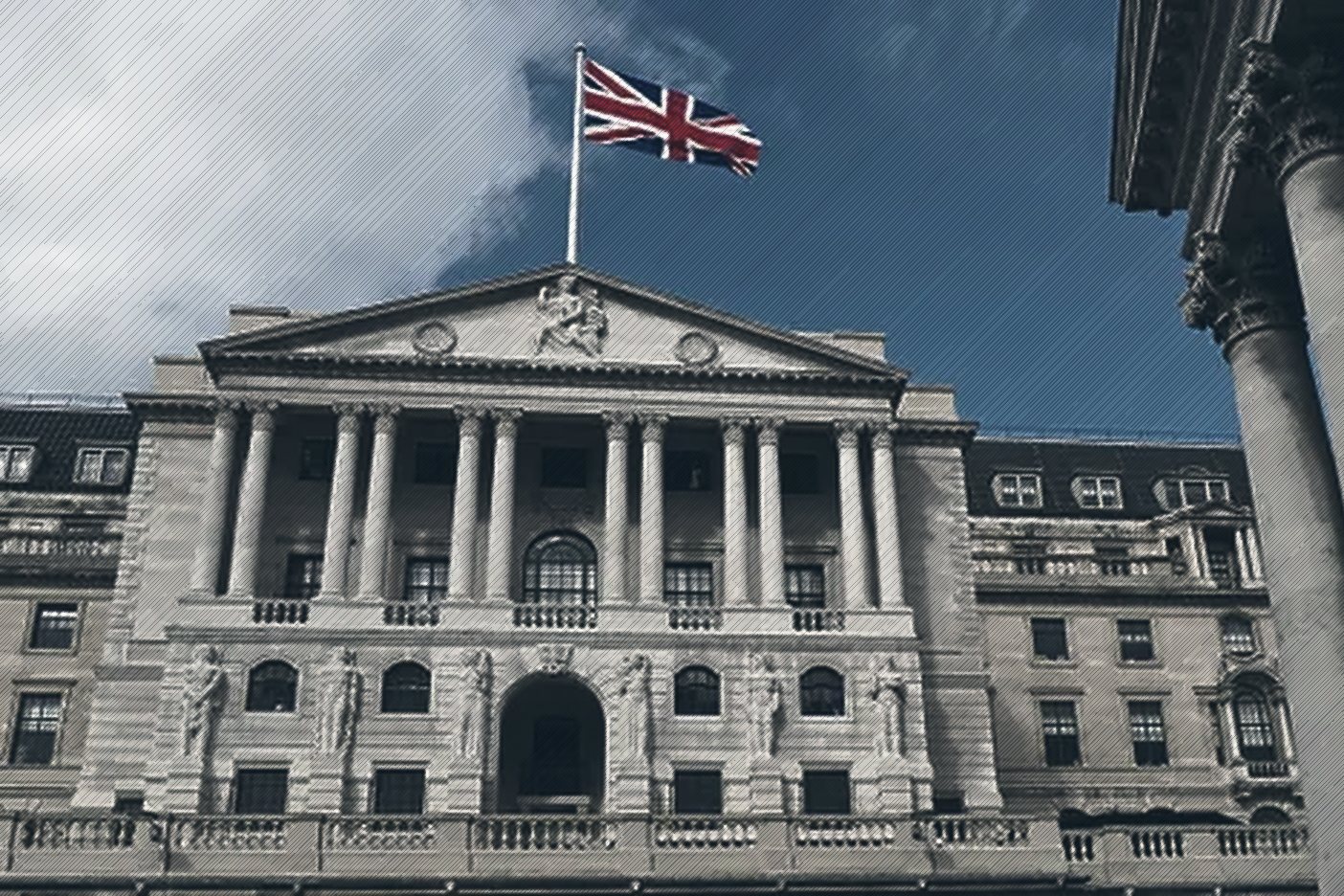
The Bank of England raised interest rates on Thursday for the first time since August 2023, lifting Bank Rate by a quarter of a percentage point to 4 per cent and warning that the energy shock from the war with Iran will push inflation towards 5 per cent next year.
The Monetary Policy Committee voted 8–1 for the increase. Catherine Mann, an external member, voted for a larger rise of half a point, to 4.25 per cent. The decision ends a run of six consecutive meetings at which rates were left unchanged.
Andrew Bailey, the governor, said there was "enough inflationary pressure in the pipeline" from higher energy prices to justify the move. "Today's increase shouldn't be seen as the first in an inevitable long sequence of hikes," he said. "But, unless the conflict in the Middle East is resolved, neither does it seem likely to be the last increase."
Inflation heading for 5 per cent
Consumer price inflation rose to 3.5 per cent in the twelve months to September, from 3.1 per cent in August. In its new projections the Bank expects inflation to peak at an average of 4.8 per cent in the second quarter of 2027, and not to return to its 2 per cent target until the third quarter of 2028, six months later than it forecast in July.
In an adverse scenario, in which oil rises to around $130 a barrel, inflation would reach 6.2 per cent in the third quarter of 2027.
The Bank said the budget presented by the chancellor, John Healey, would lower inflation by about a quarter of a percentage point at its peak, before adding to it when temporary cost-of-living support expires.
The committee raised its growth forecast to 1.6 per cent this year and 1.3 per cent next year, stronger than the Office for Budget Responsibility projected last week. But it expects real household income from work, after inflation and taxes, to fall in both years.
A divided committee
The minutes showed sharp differences over what comes next. Clare Lombardelli, a deputy governor, said a further rise was likely to be needed soon. Megan Greene and Huw Pill, the chief economist, both pointed to more tightening. Swati Dhingra and Alan Taylor said they would want stronger evidence that the energy shock was feeding into wages and prices before backing another increase.
Markets had almost fully priced in this month's rise, and now expect three further quarter-point increases during 2027, more than most economists forecast. Sanjay Raja of Deutsche Bank said he did not expect "the start of a long hiking cycle", and forecast one further rise to 4.25 per cent in December or February. Suren Thiru of the ICAEW called the decision a "sizeable shift" in direction and said further increases were "probable".
The forecasts may already be out of date. Oil fell sharply after Tuesday's US midterm elections on hopes of a de-escalation with Iran, and the Bank's forecasts were based on market prices from late October.
What it means for borrowers
For households on tracker mortgages, the increase takes effect almost immediately. Moneyfacts estimates that a quarter-point rise adds about £37 a month to a £250,000 tracker mortgage over 25 years. Borrowers on fixed-rate deals will see no change until their deals end, and lenders had already built the increase into fixed-rate pricing, with average two-year and five-year fixes at 5.97 per cent and 6 per cent.
The FTSE 100 traded about 0.6 per cent higher after the announcement, and gilt yields edged up.
The next decision is due on 17 December.