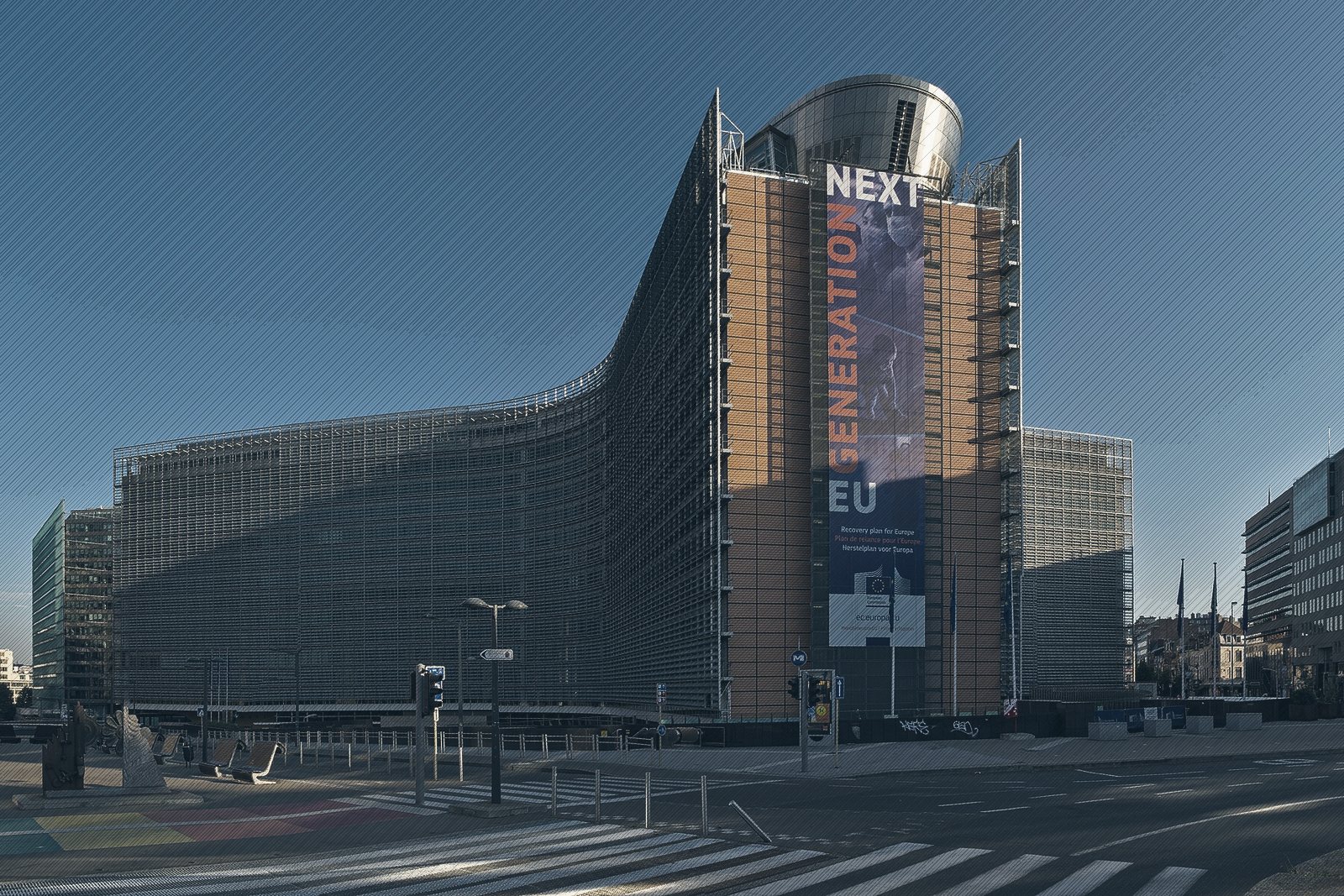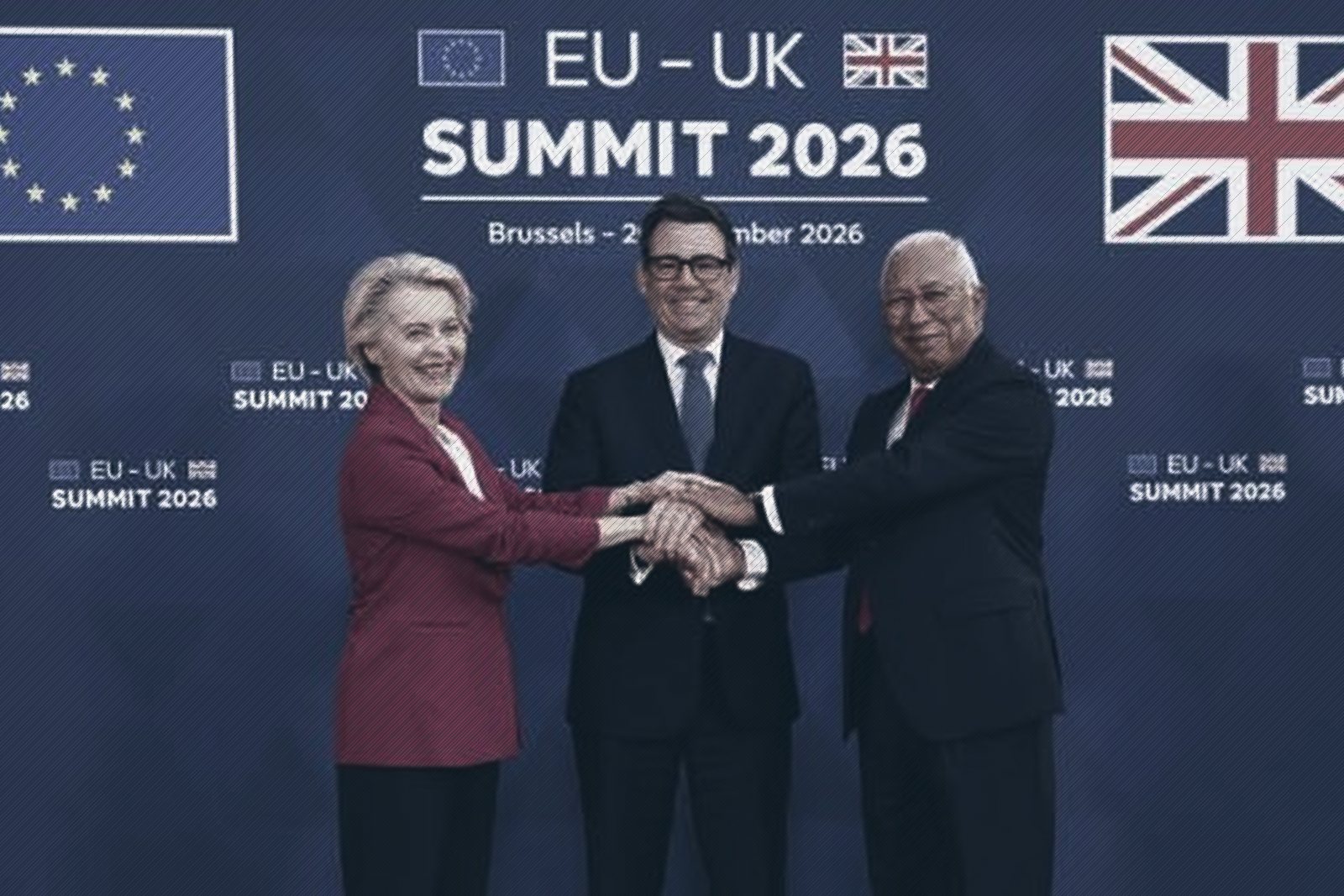
Britain and the European Union agreed on Friday the most significant change to their economic relationship since Brexit took effect. After a summit in Brussels, Downing Street declared that "the deal is done". The package ends most border checks on food, links the two carbon markets and opens a youth scheme for up to 100,000 people a year in each direction.
Andy Burnham, the prime minister, called it "a good day for Britain" and said the agreements could add up to 0.5 per cent to the British economy. Ursula von der Leyen, president of the European Commission, said the two sides "have a stake in each other's success".
The deal is real, but it is also narrower, slower and more conditional than the headlines suggest. Most of its benefits will not arrive before 2028, one of its central pillars depends on a dispute over university fees that is still unresolved, and Britain is paying for easier access with something it spent years insisting it would never give up: the right to set its own rules.
What has been agreed
The centrepiece is a sanitary and phytosanitary (SPS) agreement covering food, plants and animals. From March 2028, certificates and checks would end for the vast majority of animal and plant products traded between Great Britain and the EU. The arrangement also covers goods moving between Great Britain and Northern Ireland. In return, Britain will follow EU food rules. British experts may help shape new EU standards, but they will have no vote.
The second pillar links the UK and EU emissions trading systems from 2028. Once in force, each side's exporters would be exempt from the other's carbon border levy, a significant relief for British steel, aluminium and chemicals makers that would otherwise face charges on goods sold into Europe.
The third is a youth experience scheme. Up to 100,000 people aged 18 to 31 from each side will be able to work, study, volunteer or travel in the other for up to three years. The legal framework is due no later than 2028, with the first participants arriving no later than January 2030. Denmark is not taking part.
Britain will also contribute to the running costs of the EU agencies involved, although no figure has been published. Both sides will respect the existing agreement giving reciprocal access to fishing waters until 2038. Britain is already due to rejoin the Erasmus student exchange programme in 2027 under an earlier agreement.
What it could be worth
Food and farming are where Brexit has cost most visibly. British agri-food exports to the EU have fallen by about a third since 2019, according to figures cited by the National Farmers' Union, with eggs, horticulture and poultry hit hardest. Exporters of perishable goods have faced veterinary certificates, inspections and delays that can make small consignments uneconomic.
Estimates cited by Reuters put the potential value of the SPS agreement at about £5.1bn a year and the carbon-market link at up to £3.8bn a year. These are projections, not measured gains, and they depend on how many exemptions survive the drafting and how quickly businesses adjust. Burnham's figure of up to 0.5 per cent of GDP should be read the same way: as a ceiling, not a forecast.
Even at that ceiling, the gain is modest beside the original cost. The Office for Budget Responsibility has long assumed that leaving the EU will leave Britain's productivity about 4 per cent lower in the long run than it would otherwise have been. The reset recovers a fraction of that, because it leaves the main barriers in place. Britain remains outside the single market and the customs union, and Burnham has said rejoining either would conflict with Labour's 2024 manifesto. Services, which make up most of Britain's exports, are largely untouched.
Big retailers, including Tesco, Asda, Marks & Spencer, Morrisons, Lidl and the Co-op, welcomed the deal. For them the gain is concrete: lower costs and fewer delays on the food that moves back and forth across the Channel every day.
What it will cost
The price is paid partly in sovereignty. Under the SPS deal, Britain will apply new EU food laws without a vote on them, and the negotiations nearly collapsed over how much influence London would have. Kemi Badenoch, the Conservative leader, said smoother trade was desirable but not "at any cost", and called following EU rules without membership the "worst of both worlds". Nigel Farage, leader of Reform UK, called the deal a "very, very expensive and costly error".
Farmers have mixed feelings. The NFU welcomed the agreement, but it had warned in October that alignment must not strip British growers of tools they have gained since Brexit, notably gene editing and some crop-protection products. CropLife UK, which represents pesticide makers, has warned that aligning crop-protection rules could cut farm incomes by up to £810m in the first year. Industry groups expect carve-outs and transition periods, and their scope will decide how much of that risk materialises.
The carbon link carries a short-term cost too. UK carbon allowances have been trading about €10 below EU allowances, so joining the larger market is likely to raise the carbon price British emitters pay. Ineos, the chemicals group, has warned that linking would increase costs for British businesses in the near term, even as it removes the threat of border levies.
The condition that could unravel it
The most immediate risk is university fees. The EU wants students from its member states charged the same as British students, currently £9,790 a year for undergraduates in England, instead of the much higher international rates they have paid since Brexit. Britain has six months to reach an agreement, and the carbon-market link is explicitly conditional on it; EU officials have suggested the wider package is too. The Russell Group of universities estimates that charging EU students home fees would cost its members £570m a year, and ministers have said they are open to compensating universities.
The agreements must also pass through legal procedures on both sides, and talks will continue in several areas. Implementation dates will run into the next parliament, which means the deal's survival may depend on an election that Reform UK, its most vocal opponent, hopes to win.
The verdict so far
The reset is the first serious attempt since 2020 to reduce the economic cost of Brexit rather than argue about it. Its benefits are concentrated in sectors that have suffered most, food, farming and energy-intensive manufacturing, and the youth scheme reopens a channel for people that the original deal closed.
But it is a set of targeted repairs, not a new settlement. Its gains are projected rather than proven, they will take years to arrive, and they come at the price of following rules Britain will no longer help to write. Whether that trade is worth it depends less on Friday's announcement than on the fine print, the fees deal and the politics of the next three years.