On a sunny afternoon in Spain, electricity can become remarkably cheap.
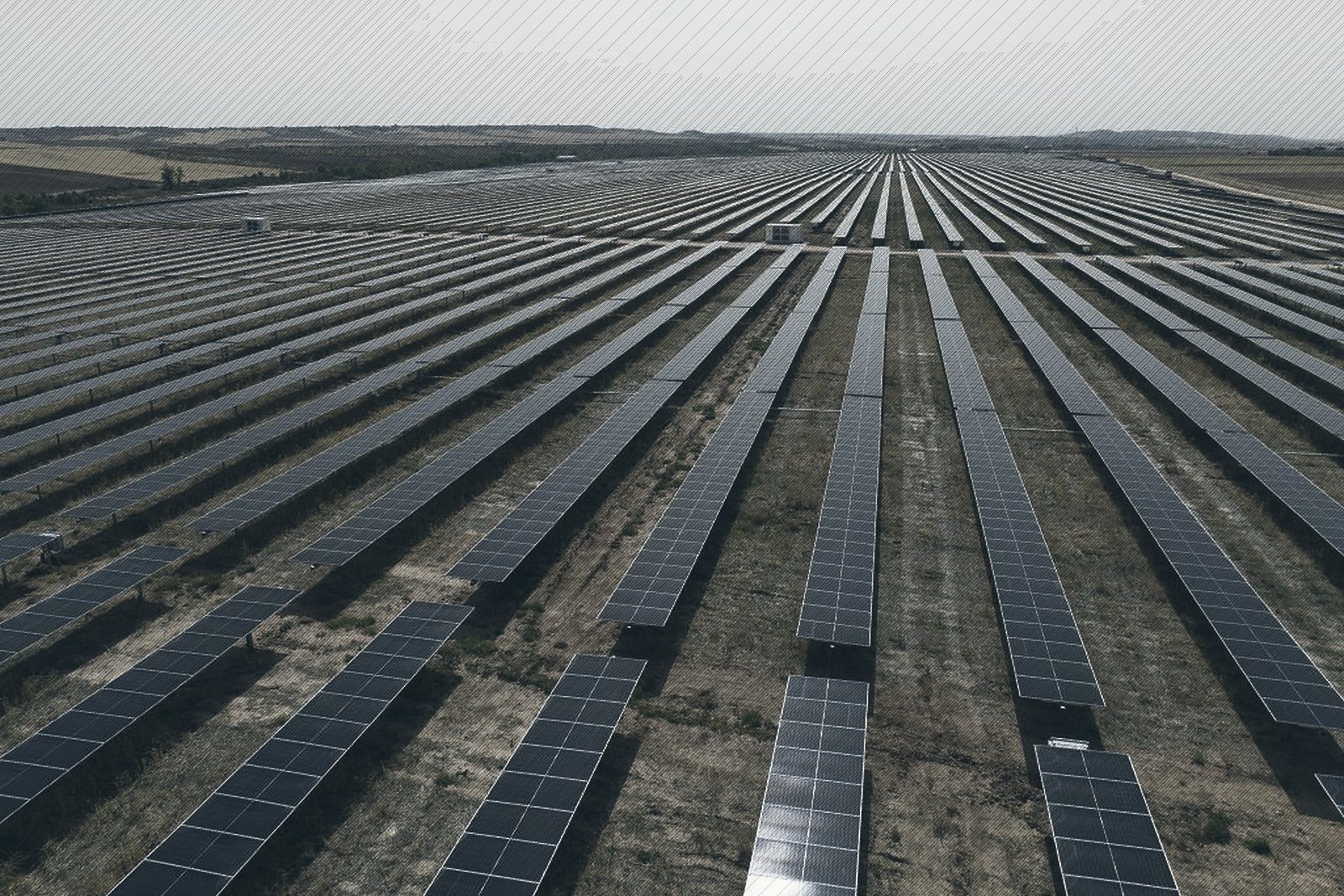
Solar panels across the country produce large quantities of power at roughly the same time. When demand is relatively modest, the resulting surplus can push wholesale prices towards zero and, on some occasions, below it.
For a country that spent years worrying about the cost of imported energy, this should be an extraordinary advantage.
But a low wholesale price at midday does not necessarily translate into an equally low household electricity bill.
The gap between those two realities helps explain one of the most important challenges facing Europe's energy transition.
Spain has become exceptionally good at generating renewable electricity. The harder task is ensuring that the economic benefits reach consumers consistently.
A remarkable expansion
Spain's electricity transformation has been substantial.
According to Red Eléctrica, renewable sources generated 55.5 per cent of the country's electricity in 2025. Including estimated self-consumption, the share rose to 56.6 per cent.
Almost 10 gigawatts of new wind and solar capacity were installed during the year, excluding additional self-consumption installations.
By the end of 2025, solar photovoltaic capacity, including self-consumption, had approached 50 gigawatts.
The expansion continued to influence the electricity system throughout 2026.
In August, renewable generation accounted for 53.6 per cent of Spain's total electricity production, with solar photovoltaic power the leading source that month.
These figures describe a significant achievement in reducing dependence on fossil-fuel generation.
They also create a new economic problem.
Solar electricity is abundant when the sun is shining. Household demand does not always follow the same timetable.
The electricity nobody needs at noon
Electricity is unusual because large quantities cannot simply be stored without dedicated infrastructure.
A solar farm cannot assume that every unit it generates will be consumed immediately.
When production exceeds demand and available export or storage capacity, prices may fall sharply. Some installations may have to reduce output.
That is not proof that renewable energy has failed.
It is evidence that the electricity system must adapt to a different pattern of supply.
Traditional power systems were designed around generation that could be adjusted to meet demand. Solar power creates periods when electricity is plentiful precisely because the weather is favourable, not because consumers suddenly need more energy.
The economic opportunity is substantial.
Factories could shift certain operations towards hours of abundant electricity. Electric vehicles could charge when renewable generation is strongest. Batteries could store energy for evening consumption.
But all those responses require investment, suitable tariffs, equipment and changes in behaviour.
Without them, cheap electricity at midday can coexist with expensive electricity later in the evening.
Why the household bill remains complicated
Consider a family returning home from work after sunset.
The washing machine runs, dinner is prepared, lights are switched on and the air conditioning or heating may be needed.
Much of that consumption occurs when solar generation is declining or has stopped.
The wholesale electricity price at noon may therefore have little direct relevance to the family's evening energy costs.
The structure of retail contracts creates another complication.
Electricity bills commonly include network charges, contracted capacity costs, taxes and other components that are not determined solely by the wholesale energy price at a particular hour.
Households on fixed-price contracts may not immediately benefit when spot prices fall. Those with time-sensitive tariffs may have greater opportunities to shift consumption, but not everyone can do so.
A retired person spending the afternoon at home has different electricity needs from a family whose members are away until evening.
That difference matters.
Energy policy should not assume that all households can reorganise their daily lives around the cheapest hours of generation.
Storage changes the economics
Spain has made progress in energy storage, but substantial additional capacity will be needed as renewable generation expands.
Red Eléctrica reported that storage systems helped integrate 9,213 gigawatt-hours of electricity during 2025, an increase of 6.2 per cent from the previous year.
The economic value of storage is relatively straightforward.
Electricity generated when supply is abundant can be used when demand is stronger. This reduces the need to rely on more expensive generation during certain periods and can improve the value of renewable production.
But batteries and other storage systems require capital. Their economics depend on price differences, operating conditions and the services they provide to the grid.
More solar capacity alone will not solve every problem.
The transmission network also matters. Electricity must be able to move from regions with abundant generation to the households and businesses that need it.
What success should look like
Spain's renewable expansion is often assessed through generation records and installed capacity.
Those measures are useful, but households experience the energy transition through their bills.
The relevant test is whether cleaner electricity becomes reliably affordable, not merely whether more of it can be produced.
That requires better storage, stronger networks and retail arrangements that allow consumers to benefit from periods of abundant supply.
It also requires attention to people who cannot easily invest in rooftop solar panels, home batteries or new appliances.
The economic promise of renewable electricity is that a country can rely less heavily on volatile imported fuels while developing a cleaner and ultimately more affordable power system.
Spain has already made significant progress on the generation side.
The next challenge is to make that progress visible in the monthly electricity bill.
For most families, that is where the energy transition becomes real.