Germany's industrial difficulties are usually discussed in terms of energy costs, Chinese competition and the performance of its largest manufacturers.
A less visible problem is developing among the smaller businesses on which much of the country's productive economy depends.
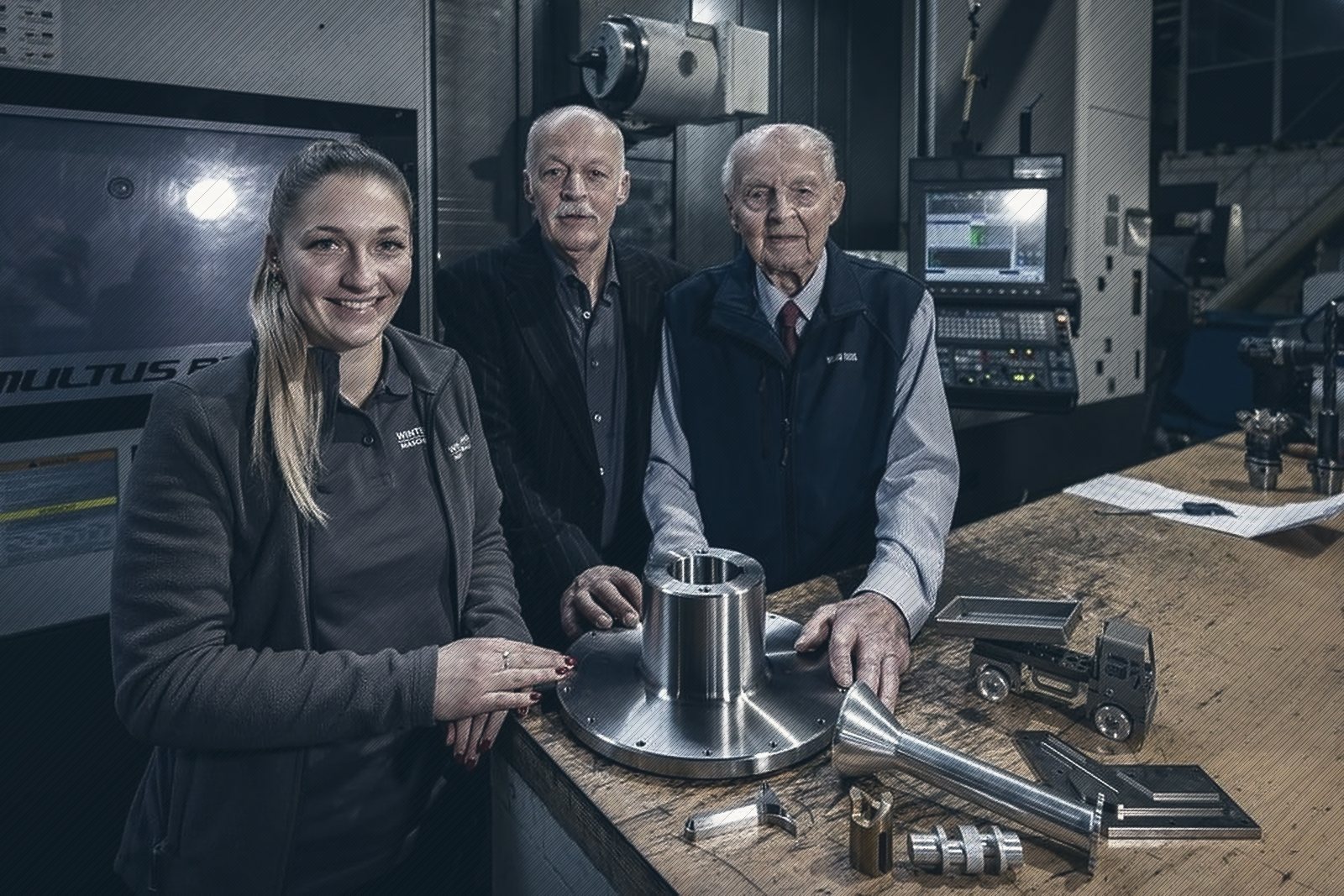
Their owners are growing old, and an increasing number have no plans to pass their businesses to a successor.
A study published by KfW Research in January 2026 found that 57 per cent of German small and medium-sized business owners were at least 55 years old. Two decades earlier, the proportion was only 20 per cent.
The same research estimated that, among owners planning to retire by the end of 2029, approximately 569,000 intended to close their companies rather than arrange a succession.
That represents an average of about 114,000 planned closures annually.
These are intentions, not confirmed closures. Some companies will find buyers, others will reconsider, and some businesses may have reached the end of their commercial life regardless of their owners' ages.
Nevertheless, the scale warrants attention.
Germany risks losing productive capacity through a process that receives far less public scrutiny than factory closures announced by major corporations.
Succession is an investment problem
An unresolved succession creates uncertainty long before a company closes.
Consider a manufacturer whose owner expects to retire within three years. The business may remain profitable, retain reliable customers and employ highly skilled workers.
But should its owner invest in new machinery if no successor is available to manage the investment?
Should the company commit to a ten-year supply agreement? Should it expand its premises or adopt a costly digital production system?
The answers become less certain as retirement approaches.
KfW's research finds that, among businesses expecting an ownership transition within two years, annual investment falls by about 32 per cent as the handover approaches. Once a succession is settled, investment rises again.
The relationship is economically important, even though the figures should not be interpreted as proof that succession alone explains the whole difference.
The larger point is clear: uncertainty about ownership can suppress investment in otherwise viable businesses.
That can weaken productivity before any employees lose their jobs.
The shortage is not confined to willing children
Family succession remains an important preference among German business owners.
Yet younger generations are not automatically prepared to assume responsibility for companies established by their parents or grandparents.
KfW found that 47 per cent of owners planning closure cited a lack of interest from family members. Bureaucracy was mentioned by 42 per cent.
The economic consequences extend beyond individual businesses.
A small engineering supplier may maintain specialised machinery, technical knowledge and relationships accumulated over decades. Its closure can force customers to find alternative suppliers, increase dependence on imports or interrupt regional production networks.
Some of that activity will move to more efficient competitors. That is a normal feature of a functioning market.
But the disappearance of commercially viable firms because ownership cannot be transferred represents a different form of economic loss.
It is particularly concerning in regions where industrial activity is concentrated among relatively few employers.
Ownership should become easier to transfer
Germany does not need to preserve every existing company.
It needs a more effective mechanism for distinguishing businesses that should close from businesses that could remain productive under new ownership.
That means addressing three areas.
The first is finance. Employees or external managers may possess the necessary industry knowledge but lack sufficient capital to acquire an established business.
Financing arrangements that allow capable successors to purchase firms without imposing unsustainable debt could preserve both employment and productive assets.
The second is administrative complexity. Succession involves taxation, legal structures, valuation and regulatory obligations. For smaller businesses, the expense and uncertainty can discourage a transaction that would otherwise make commercial sense.
The third is preparation.
A business whose ownership structure, accounts and operational responsibilities depend almost entirely on its founder will be difficult to transfer. Succession planning should begin well before retirement becomes imminent.
None of these solutions is especially dramatic. Their value lies precisely in addressing a structural problem before it becomes a crisis.
The economic cost of doing nothing
Germany regularly measures changes in industrial output, investment and export performance.
It should pay comparable attention to the loss of functioning businesses through unsuccessful succession.
The risk is not merely that older owners will retire. Retirement is inevitable and economically ordinary.
The risk is that capital, skills and commercial relationships will disappear because the institutions needed to transfer them are inadequate.
Germany's next generation of industrial companies will not consist entirely of new technology businesses.
Some will be existing firms made more productive by younger owners, better management and renewed investment.
Ensuring that those businesses survive the transition may prove as important as attracting new factories.
An industrial economy can lose strength without a single dramatic collapse. Sometimes it happens when the workshop closes, the machinery is sold and nobody takes over.