Wall Street staged one of its most powerful rallies in years on Monday, recovering a large part of last week's losses after Nvidia reinstated Jensen Huang as chief executive. The question investors now face is whether this is the start of a recovery or a relief rally inside a market that has not resolved what drove it down.
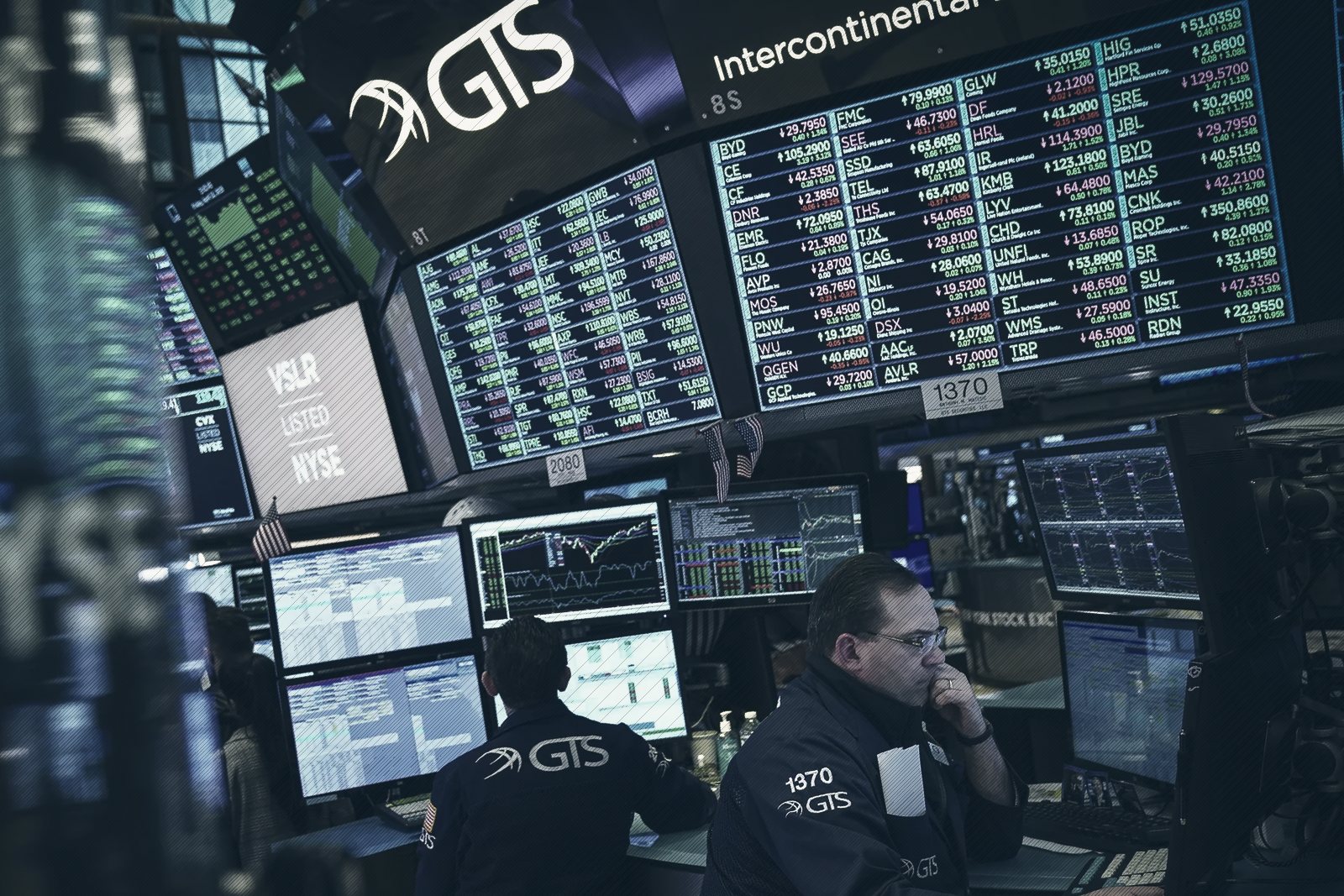
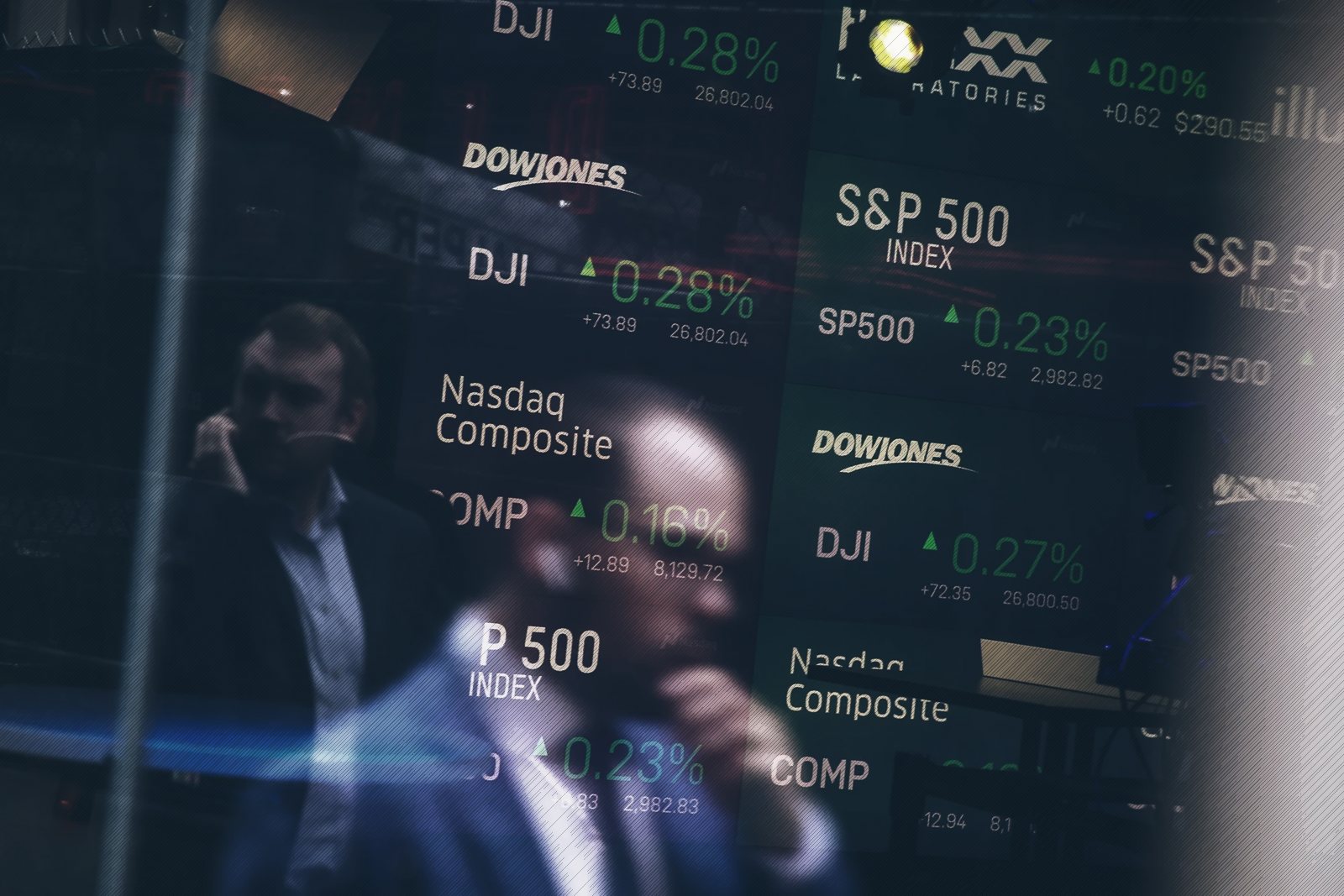
At the close the S&P 500 was up almost 5 per cent and the Nasdaq Composite about 6.5 per cent, the best day for both since April 2025. The Dow Jones Industrial Average gained more than 1,400 points, or about 3 per cent. The Vix, Wall Street's gauge of expected volatility, fell sharply. The rebound follows a week in which the S&P 500 fell 8.6 per cent, its worst since April 2025, and the Nasdaq 100 lost 10.4 per cent, its worst week since March 2020. The S&P 500 had fallen for seven sessions in a row.
What moved
Nvidia led the way. Its shares closed about 31 per cent higher, their biggest one-day gain in more than two decades, after the board voted unanimously to bring back Mr Huang, eleven days after he resigned. The gain carried the rest of the AI trade with it: CoreWeave and Nebius, which rent out AI computing capacity, rose as much as 30 per cent, while Micron, Dell and Oracle posted double-digit gains and AMD rose about 7 per cent.
There was deal news too. CrowdStrike agreed to buy Zscaler for about $43.9bn in shares, a deal larger than Google's $32bn purchase of Wiz. CrowdStrike's shares fell about 10 per cent as investors weighed the price.
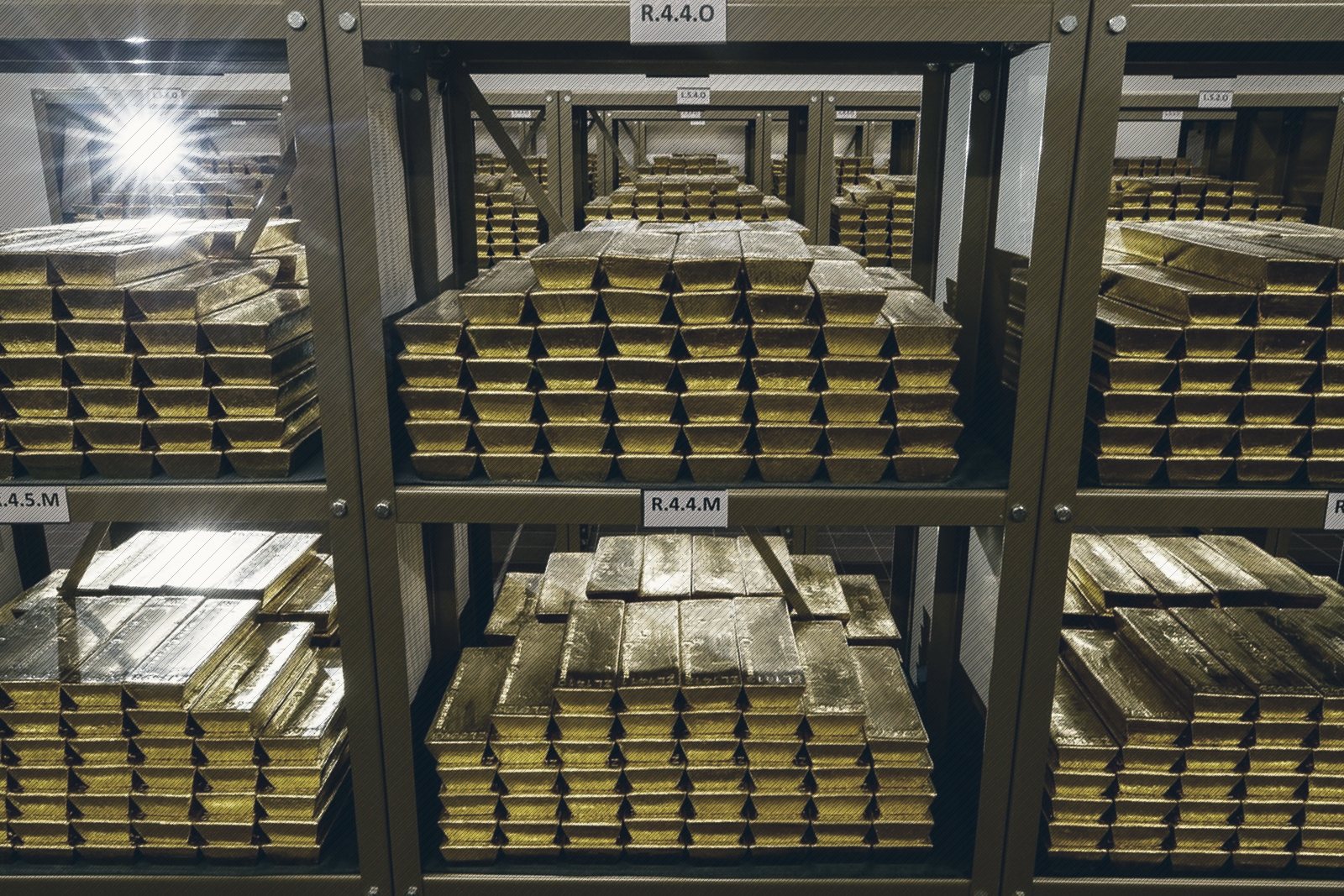
Other markets told a calmer story. Gold rebounded about 4 per cent after its worst week in eight months. American crude fell almost 3 per cent to about $81 a barrel, extending a three-week slide. The ten-year Treasury yield edged up to about 4.94 per cent as some of the money that had sought safety in bonds last week moved back into shares.
In Asia, authorities had already moved to steady markets before Wall Street opened. South Korea's finance minister pledged to deploy a market-stabilisation fund and to crack down on illegal short selling, Taiwan said it was considering lower margin requirements after its worst week in 35 years, and Chinese exchanges said they would work to support liquidity.
Why caution is warranted
A rally of this size feels like a turning point, but sharp gains are common in turbulent markets. Some of the largest one-day rises in the S&P 500's history came during the downturns of 2008 and 2020, when buyers rushed back in, short sellers covered their positions and prices then fell again. A single day says more about how stretched positioning had become than about where the market is heading.
The forces behind last week's sell-off have not gone away. Investors were questioning how much to pay for AI profits that may arrive years from now, and the cost of money is rising. Futures markets still put the probability of a Federal Reserve rate rise on 9 December at about 90 per cent. Lisa Cook, a Fed governor, has said that policy was not yet restrictive enough, and Anna Paulson, president of the Philadelphia Fed, said she was open to consecutive increases. Scott Bessent, the Treasury secretary, warned that further tightening could put the economy at risk.
Nvidia's own story is not settled either. Mr Huang's return removes the uncertainty over who runs the company, but the investigations by the Securities and Exchange Commission and the Justice Department remain open, and the board has not published the findings of its own inquiry.
The week ahead
The next test comes quickly. The personal consumption expenditures price index, the Fed's preferred measure of inflation, is due on Wednesday. A hot reading would reinforce expectations of a December rise and could revive last week's pressure on richly valued shares. American markets are closed on Thursday for Thanksgiving and close early on Friday, so trading will be thin.
Monday shows that investors were not ready to give up on the AI trade, and that last week's selling had gone far enough to tempt buyers back. Whether it marks a bottom depends less on one man's return than on inflation, interest rates and the profits AI can actually deliver.