Update, 23 November 2026: Nvidia's board reinstated Jensen Huang as president and chief executive. See our latest report.
Nvidia enters the most important week of its year without the man who built it, and with his allies campaigning to bring him back.
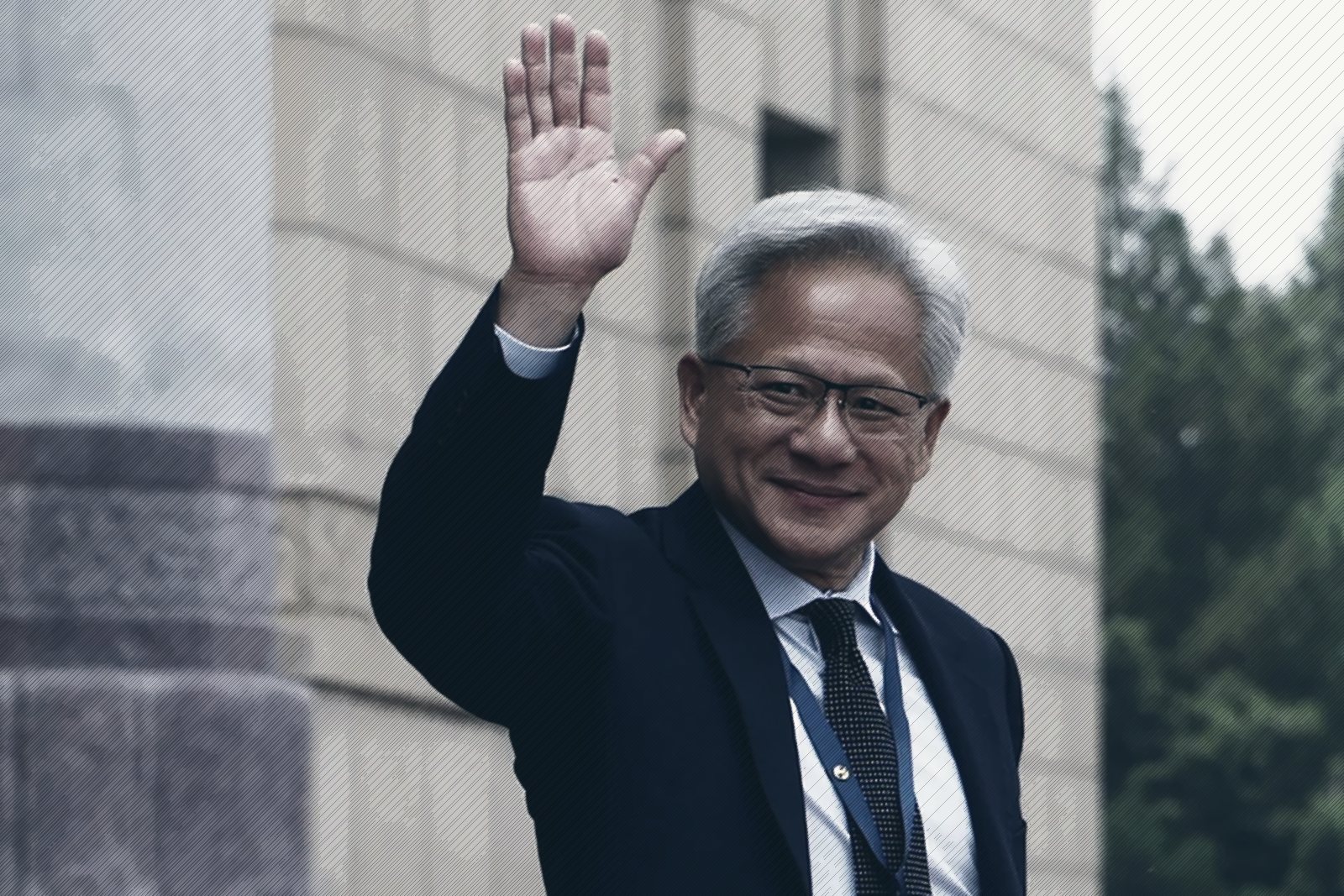
Jensen Huang resigned as president, chief executive and director of the world's most valuable chipmaker on 12 November, with immediate effect, the company said in a filing with the Securities and Exchange Commission. Nvidia gave no reason. Colette Kress, the finance chief, became interim chief executive while keeping her finance role, and the board named Harvey Jones its first-ever independent chair. The board said it would consider internal and external candidates for a permanent successor.
A campaign for a comeback
On Monday the Financial Times reported that Mr Huang has discussed a return with confidants. One ally told the newspaper he was assembling a "war room" of Silicon Valley executives to lobby for it, would seek support from the White House, and had Mr Huang's backing. Elon Musk and Tim Sweeney, chief executive of Epic Games, have backed a public letter demanding the board "Bring Jensen Back", which some Nvidia employees also signed. Two investors, Brad Gerstner of Altimeter Capital and Gavin Baker of Atreides Management, urged the board in an open letter to keep "all options on the table, including the potential return of Jensen Huang".
The obstacles are considerable. Mr Huang does not hold a controlling stake and cannot overrule the board, which has an independent investigation under way into the conduct behind his departure. According to the FT, the board has approached Rene Haas, chief executive of Arm, about the role; Nvidia said no "formal" process had begun. Washington is also involved. President Donald Trump has confirmed that the FBI is looking into the matter, and Treasury Secretary Scott Bessent has called for a "dramatic shake-up" of the company's leadership.
Press reports have linked Mr Huang's resignation to personal relationships that have prompted scrutiny of Nvidia's controls on sales of AI chips to Asian customers with possible links to China. Nvidia and Mr Huang's representatives declined to comment to the FT.
Nvidia's shares fell about 2 per cent in pre-market trading on Monday after the report.
The first test without its founder
The company reports third-quarter results after the US market closes on Tuesday 17 November. It guided for revenue of $108bn, plus or minus 2 per cent. Analysts expect about $109.1bn, up roughly 91 per cent from a year earlier, and adjusted earnings of about $2.47 a share, according to Bloomberg consensus figures cited by Saxo Bank.
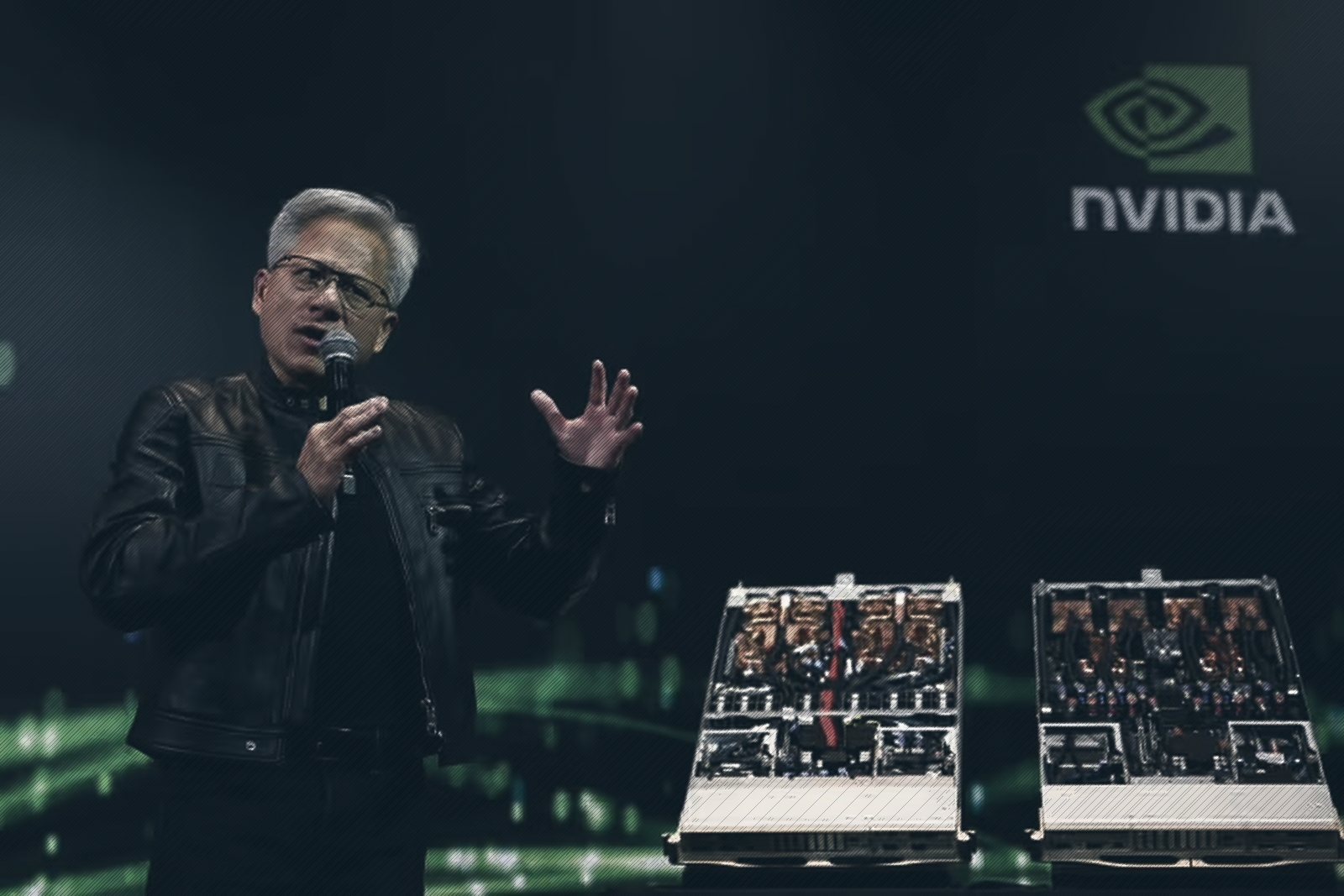
The quarter ended before the leadership change, so the numbers themselves are unlikely to show any damage. Investors will focus instead on the outlook for the coming quarter, on demand for the Blackwell and Rubin chips, and on what the company says about its China compliance and customer screening.
The risk is to the price investors are willing to pay. "The market can assign Nvidia a lower earnings multiple even before analysts cut profit forecasts," Saxo Bank said in its preview. For a company valued at about $4trn, whose founder ran it for 33 years and left without a named successor, the question that hung over our coverage last week, who leads Nvidia if not Mr Huang, is no longer hypothetical.